Mountain life

by | Dec 29, 2025 | What's Happening

It’s the last few days of the year with a storm battering the coast of Nordland & Troms in North Norway. We did not have a white Christmas this year but the snow has now returned with the storm. Early yesterday morning I dropped off my brother Knut at Hurtigruten for him to return to Hammerfest.

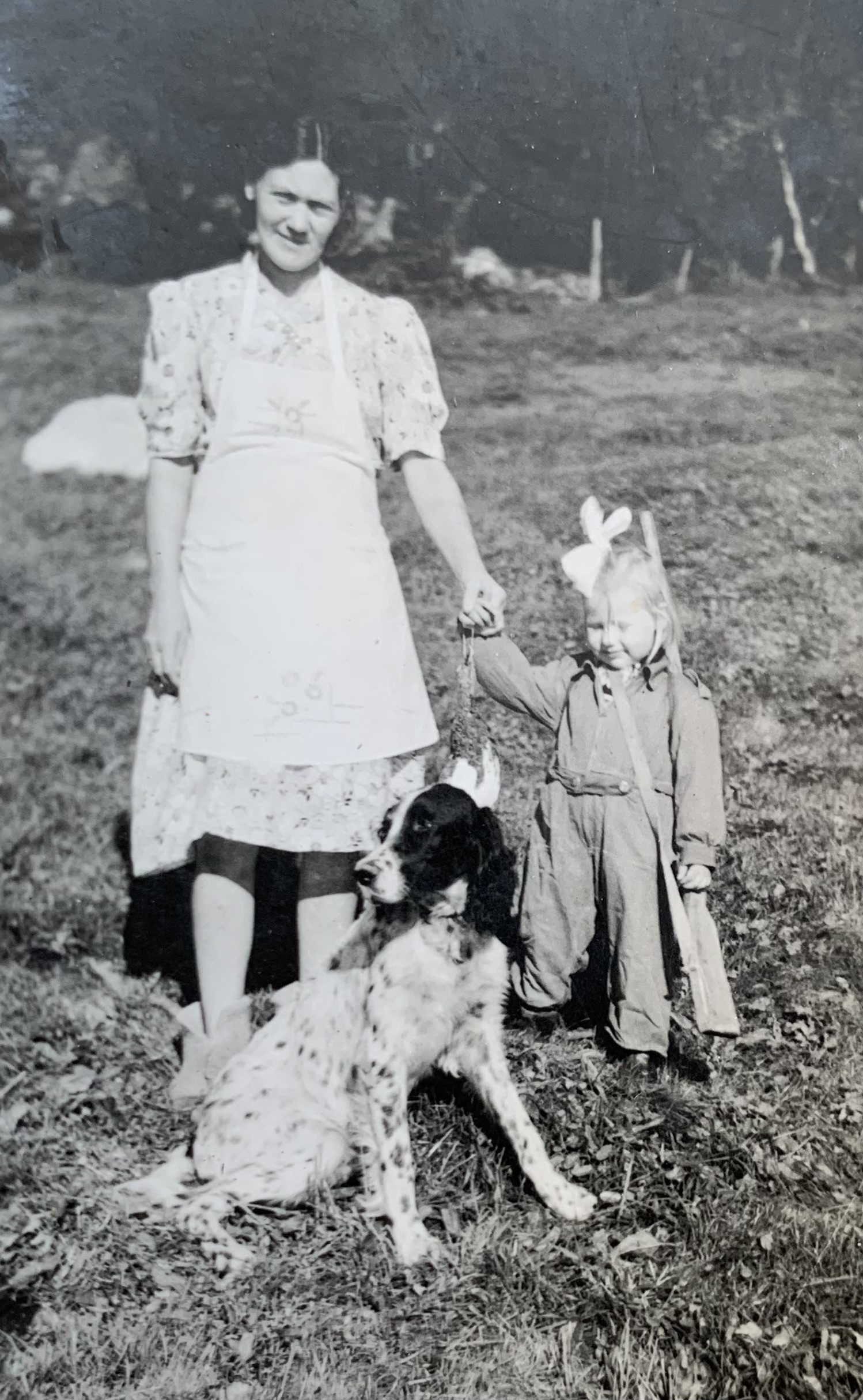
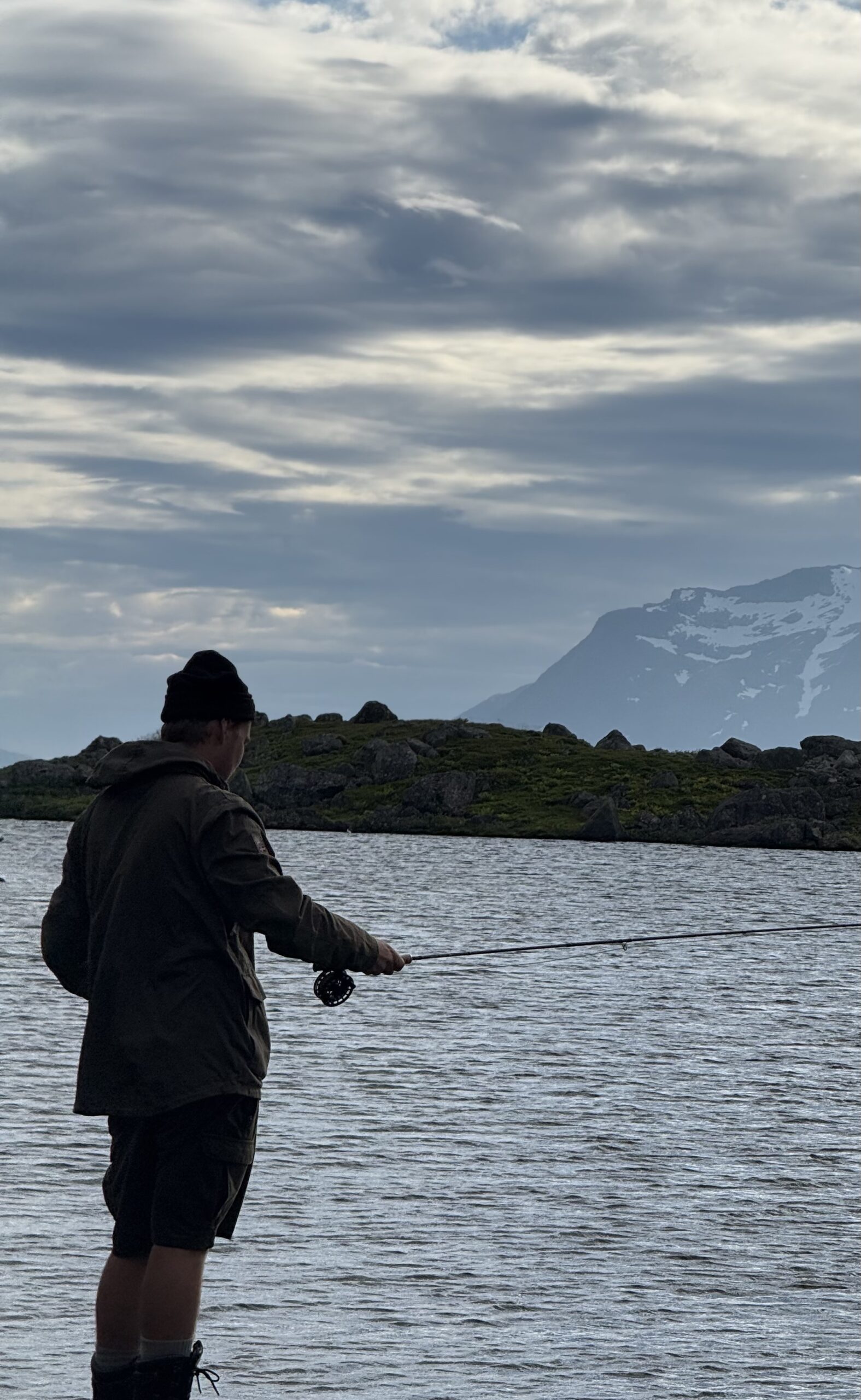
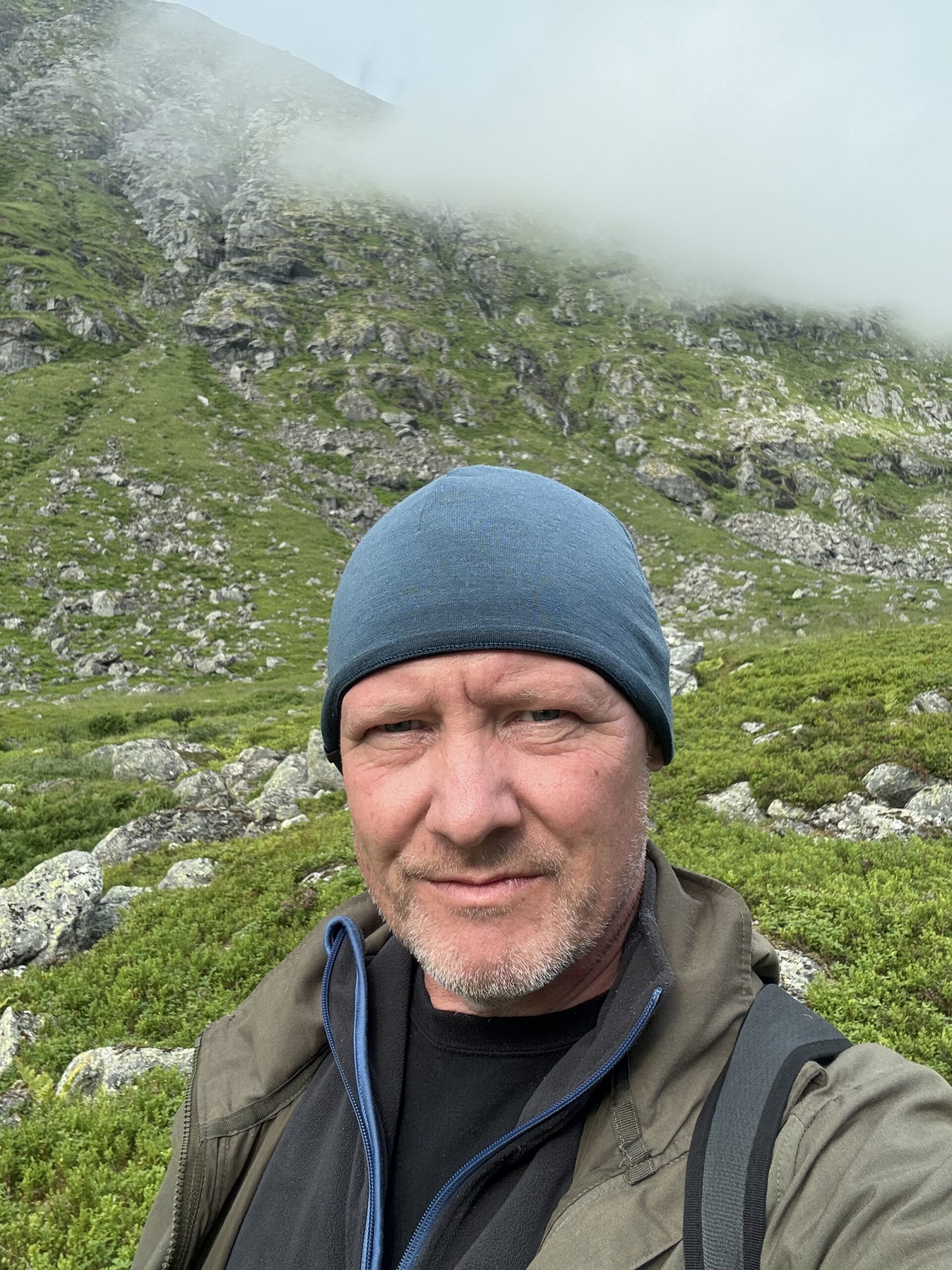
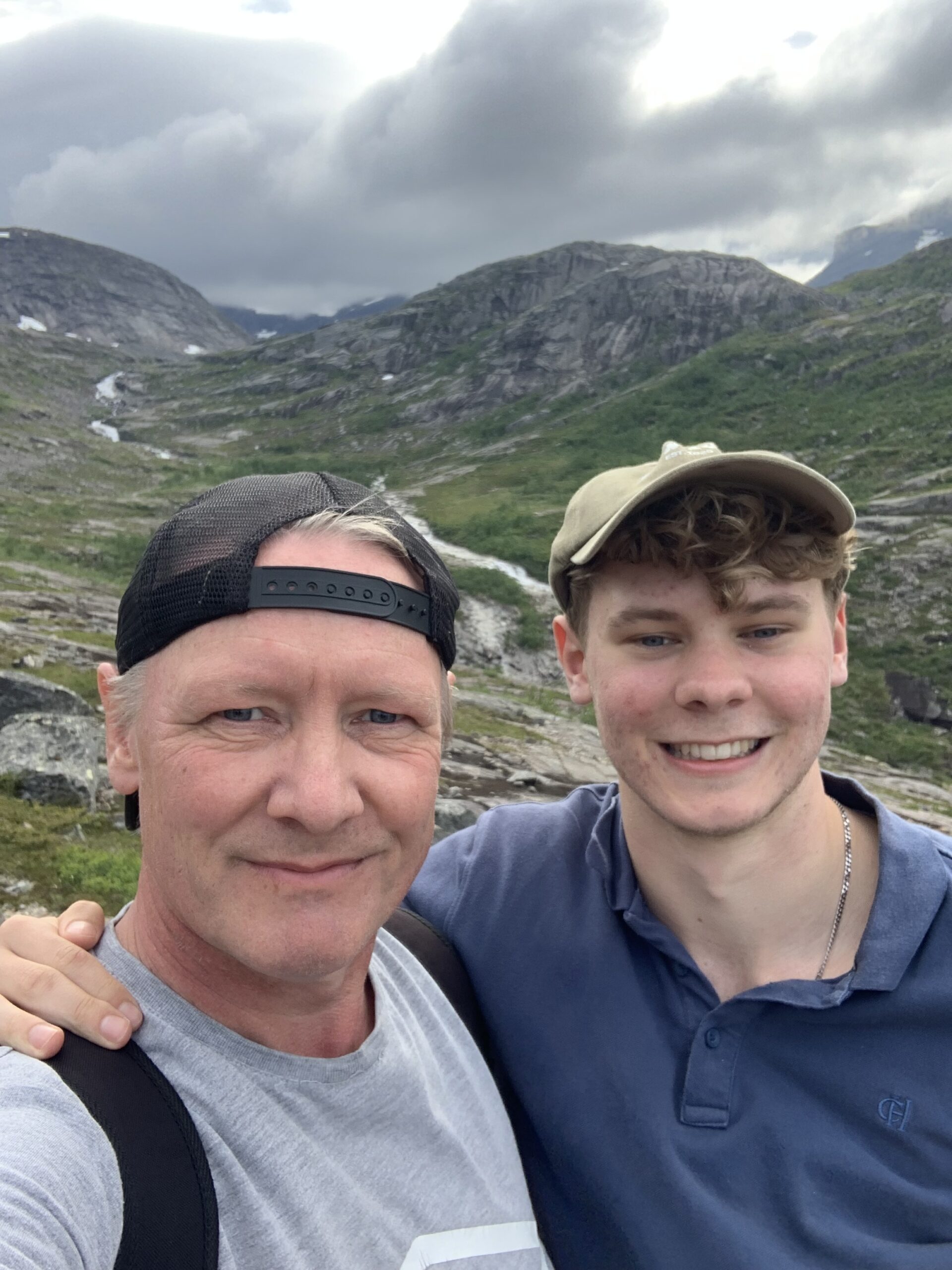
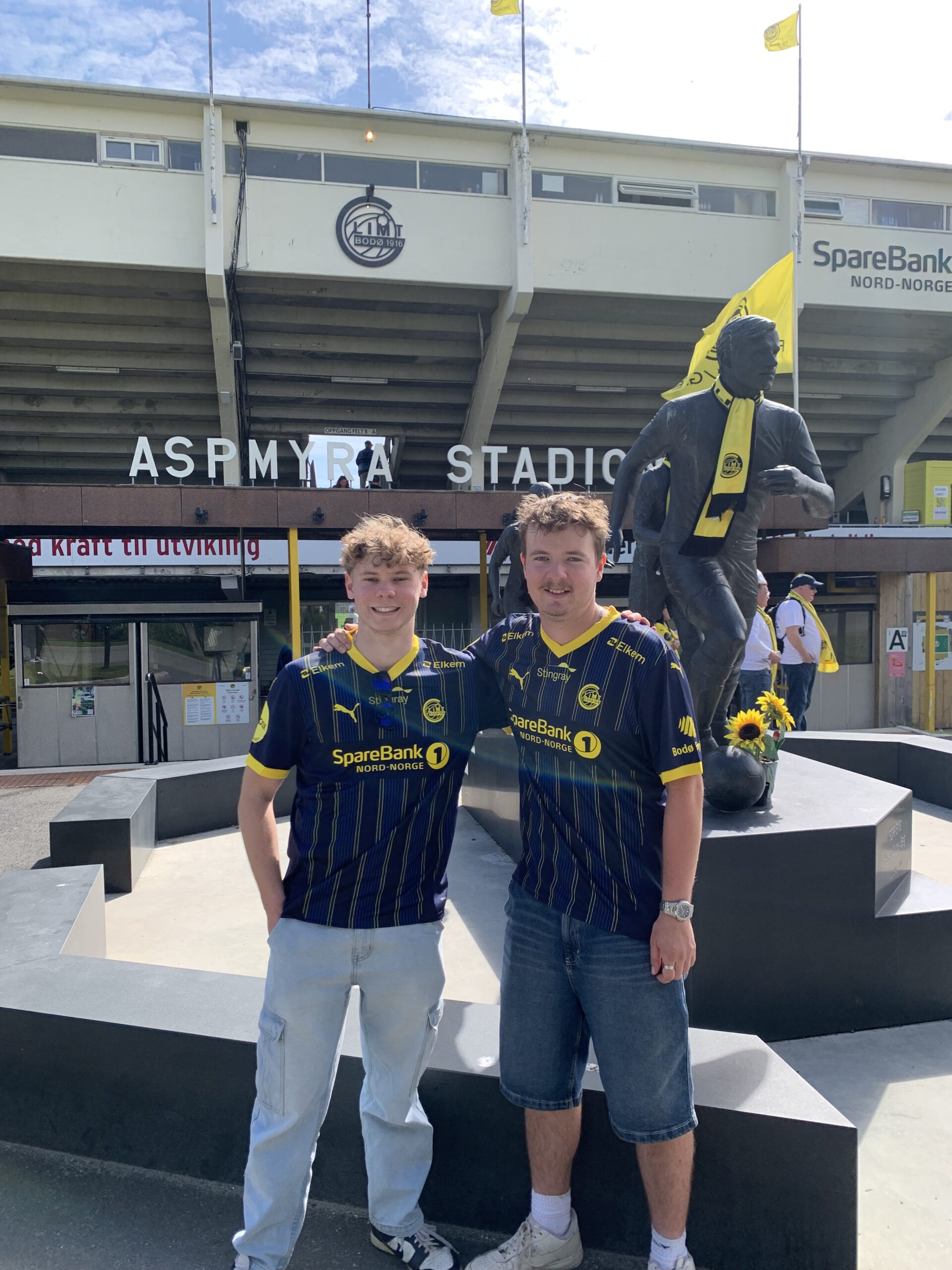
Aidan and Finn are in New Zealand, having a Christmas break before they’re heading to Australia, Finn back to Uni and Aidan to work. Pictured below this summer is Finn and me on a mountain tramp on the island of Tjeldøya while Aidan and Knut were out fishing for sea trout, and one of Finn and Aidan outside Aspmyra Stadium in Bodø where we watched Bodø/Glimt beat Sandefjord on a scorching hot day. The black/white photo is from an album brought by my second Cousin Dicky who lives in the Netherlands on a visit here. It shows my grandmother Nelly Nordstrøm Hansen with my aunt Frid in the very early 1950s. They’re posing with my grandfather’s English setter Sancho, ptarmigan and a single barrel Harrington & Richardson.
As I went back to Sweden the summer temperatures also hit high levels there. For the first time since 1991 I visited the Åsele Market, an annual market in southern Lapland where I used to live. It’s supposedly the largest market in Sweden but it has shrunk a bit in recent years. The scorching temperatures even had my mate Tommy and I take an evening swim in the large river Ångermanälven, which was a first for me.

I also went ahead and sold my Swedish registered car as I was preparing to move to North Norway. The move became a reality in mid August, when I moved to Harstad. I’ve still had a few trips back to Sweden but I now actually live in Norway for the first time since the late 1980s. The greatest privilege this summer and autumn has been to be able to spend a lot of time in Norwegian and Swedish wilderness. This has brought on many reflections.
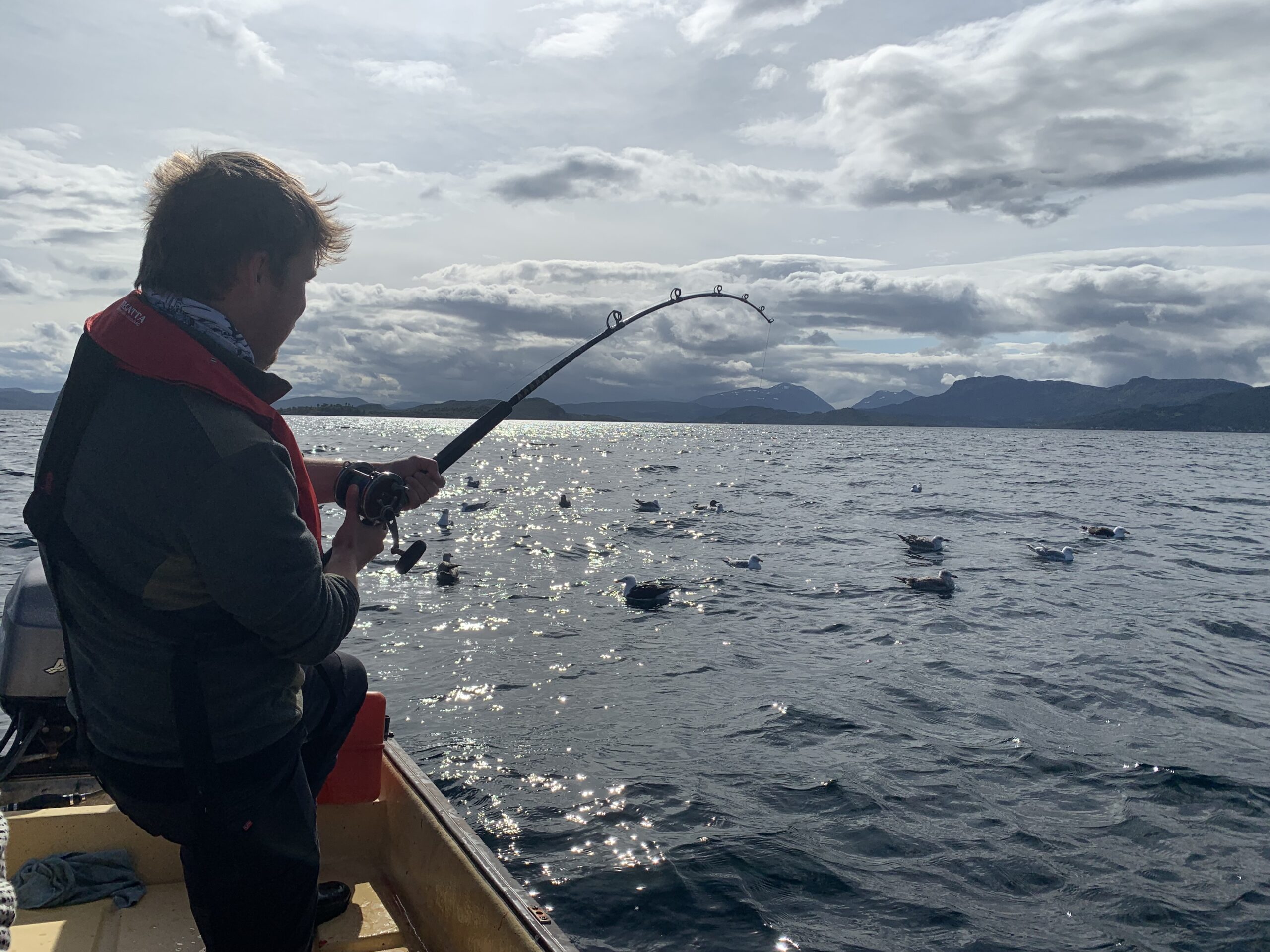
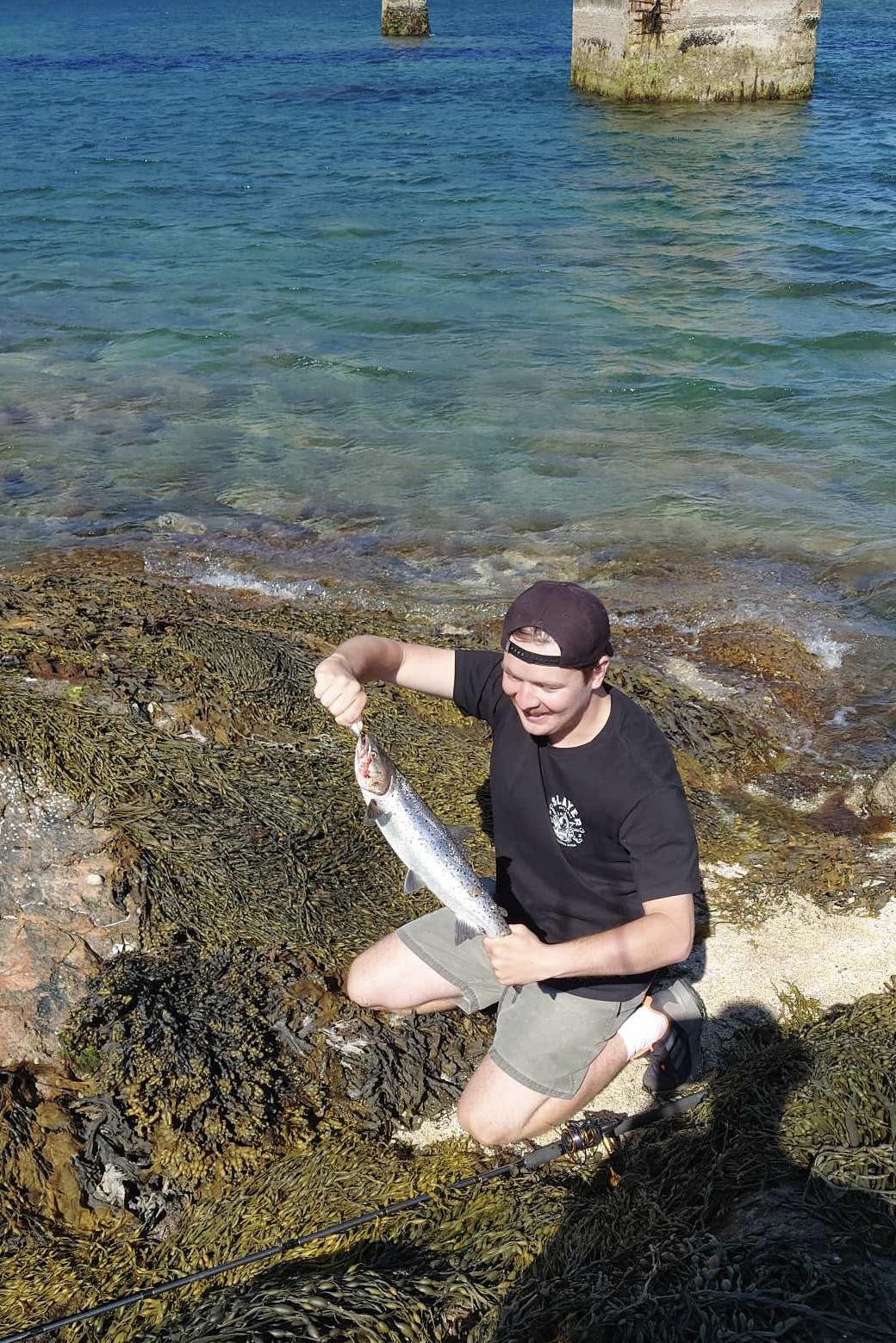
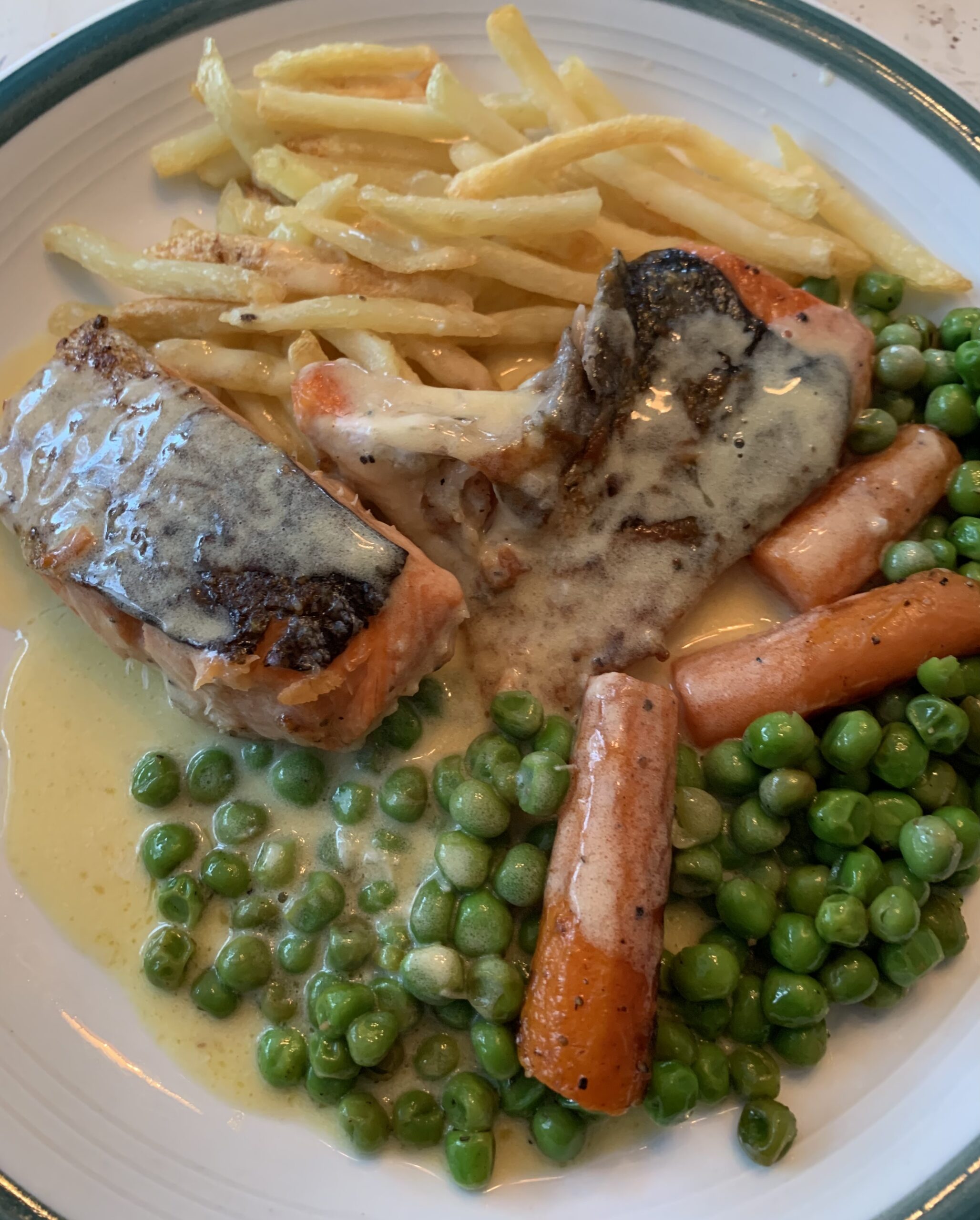
Aidan has travelled extensively around both northern and eastern Europe before he’s again returned to work in New Zealand. Some pics of him from these northern parts above. Pictured on his knees in seaweed he had just landed a sea trout with Knut (mentioned earlier), in other words an anadromous (ocean running) brown trout. Pictured beside it shows it basking in a beurre blanc with caramelised carrots and green peas.  On that same spot at low tide I later one day met an old mate called Ole. He had fished that spot several times during summer and the fish caught usually weighed in under a kilo, so Aidan’s at 1.2 kg was perfect for dinner. In fact, those ocean running trout I certainly rate as perhaps the best of our so-called noble fish for the table. Ole like his brother Tom are seriously keen fly fishermen and Tom has an excellent video channel;  Tom Robertsen – YouTube

The other big summer target is the battle with the Humpback Salmon (pink salmon) that every other year invades Norwegian rivers to spawn and then die. The big number of Humpback Salmon is a fairly recent development, and it’s regarded as an invasive species threatening the eco-system of our rivers and native species. Similar to when the Russian King Crabs started invading the Norwegian coast, it has been a reluctance from the authorities to target the Humpback Salmon commercially. To be edible as food they must be caught in the ocean or the moment they’re about to enter the rivers. There’s been a concern in Finnmark that targeting the Humpback Salmon with ocean nets could contribute to decimate the wild Arctic Salmon population. The fish farming industry also appears to have been reluctant to get this invasive species in as a competitive commercial species. The Government is still trying to fight it with other measures, like using traps in the rivers where they can let Atlantic Salmon swim on and kill the aliens.

Many sports fishermen have been targeting the Humpback Salmon as they’re moving down the coast towards river systems and can catch good numbers. I have eaten them smoked and they’re certainly worth taking advantage of as food when possible. 
But now back to the mountains and what I really wanted to talk about. The many different people with the many differing opinions about habitat, animal welfare and hunting. How many people are out there actually spending time witnessing nature and also understand the picture? From bureaucrats in Brussels to our politicians in Oslo or Stockholm, to the many keyboard warriors who have never spent days and nights, weeks, months, years witnessing, participating and surviving in wilderness with shifting seasons and weather conditions.
To quote the great football coach Jose Mourinho, when he was pointing out his credentials and resume to the media, “RESPECT, RESPECT”.
And yes, there are bad eggs among us all, in all walks of life, but in general those who spend a huge amount of time blending into our forests and mountains, who regularly see nature first-hand, they should indeed respectfully be listened to. We’re all guilty of not listening enough.   
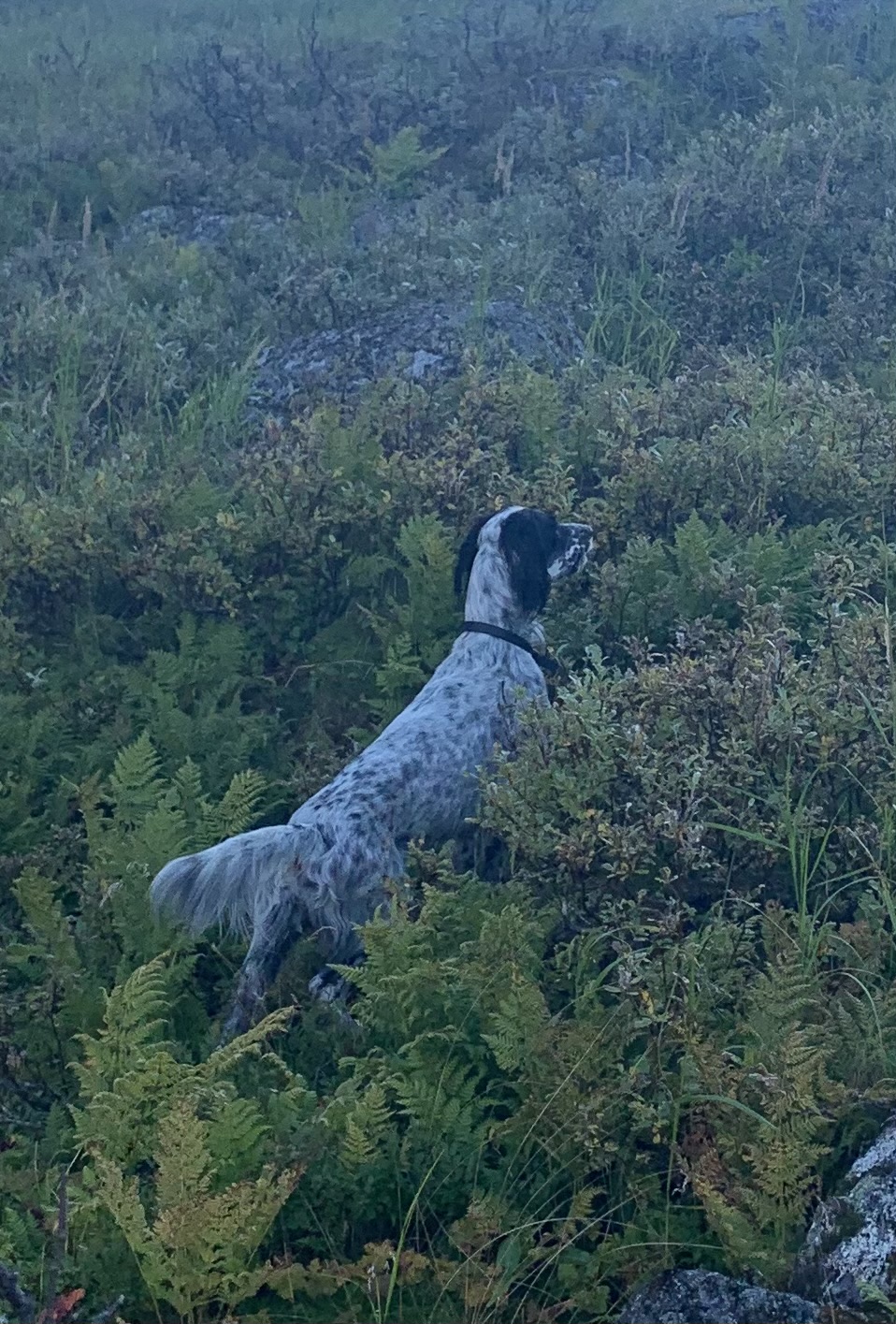
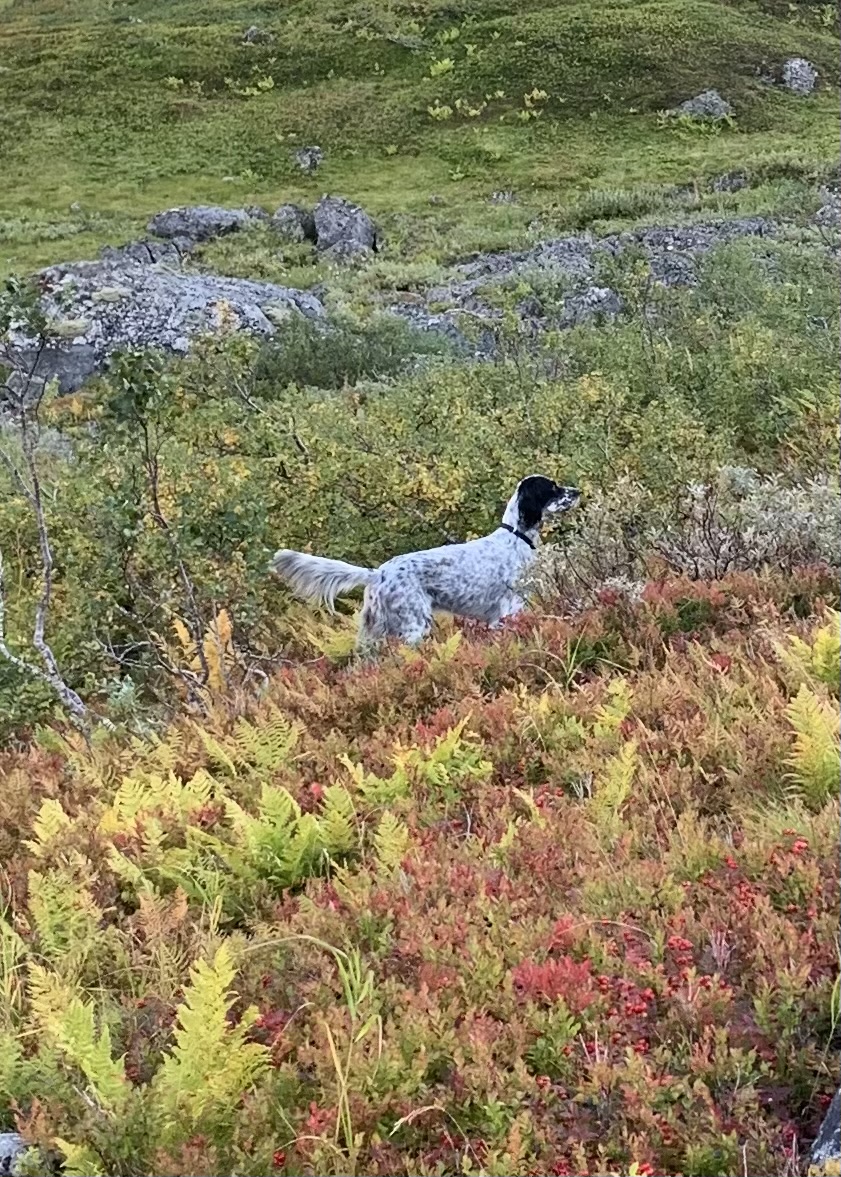
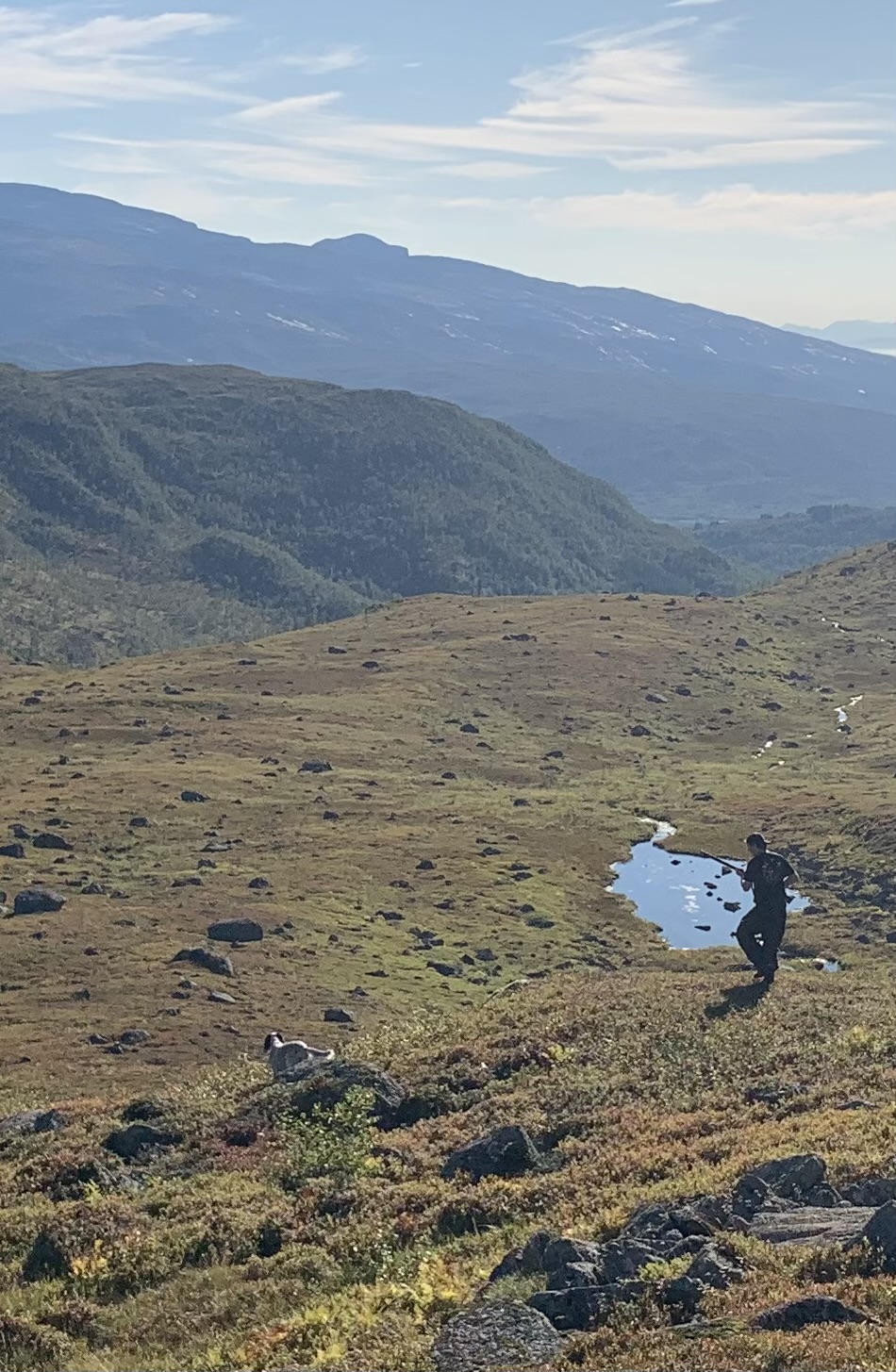
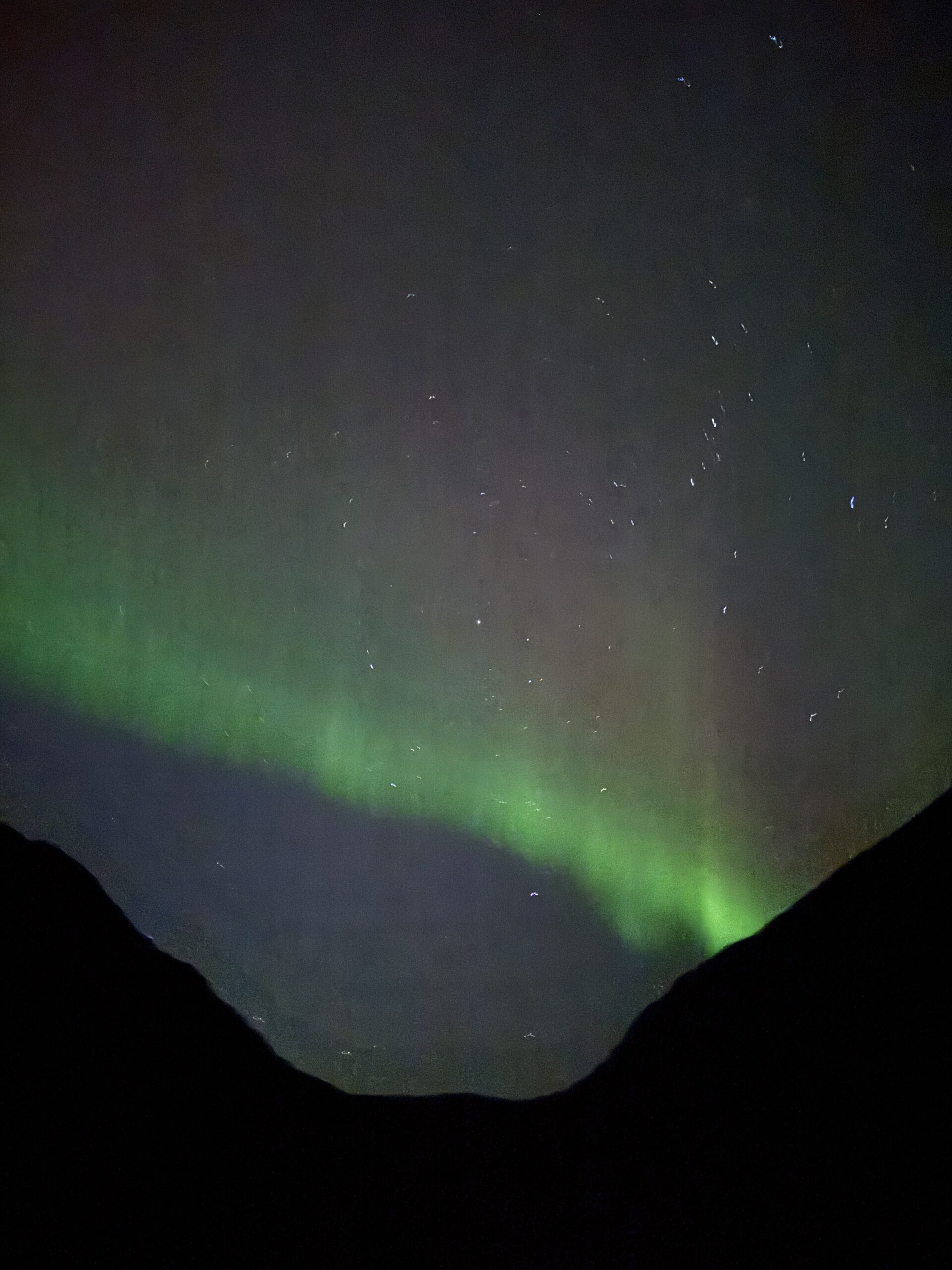
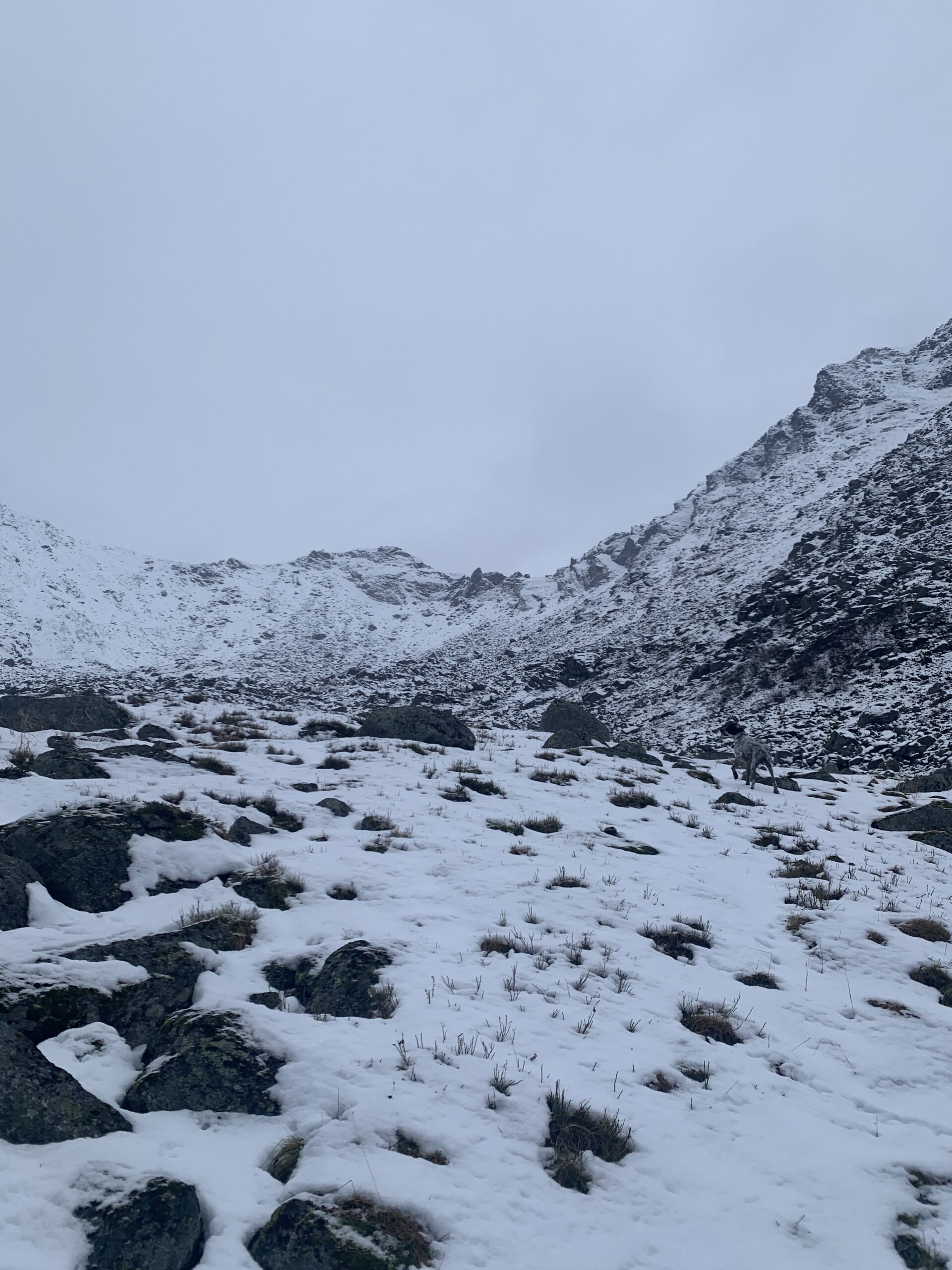
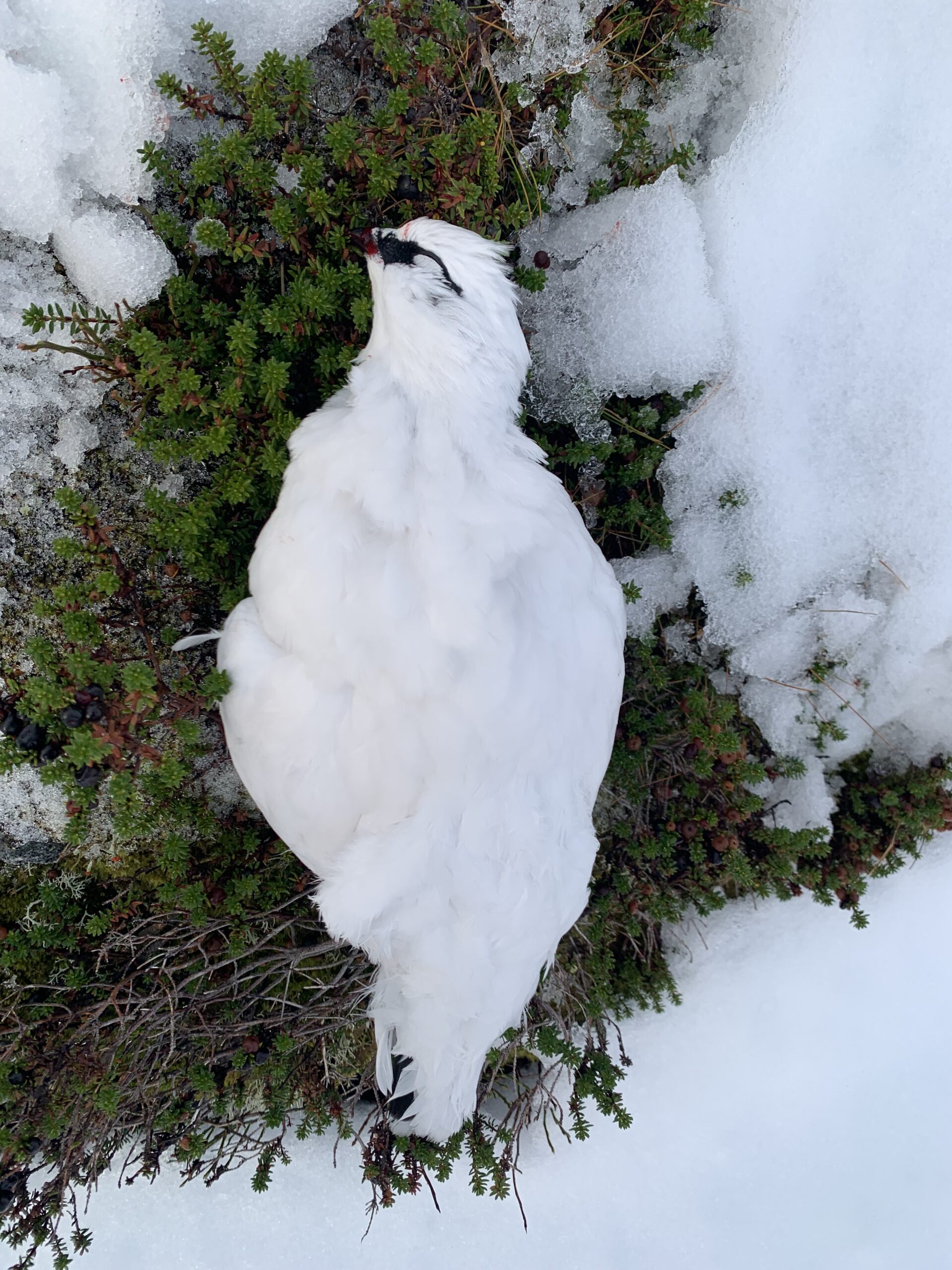
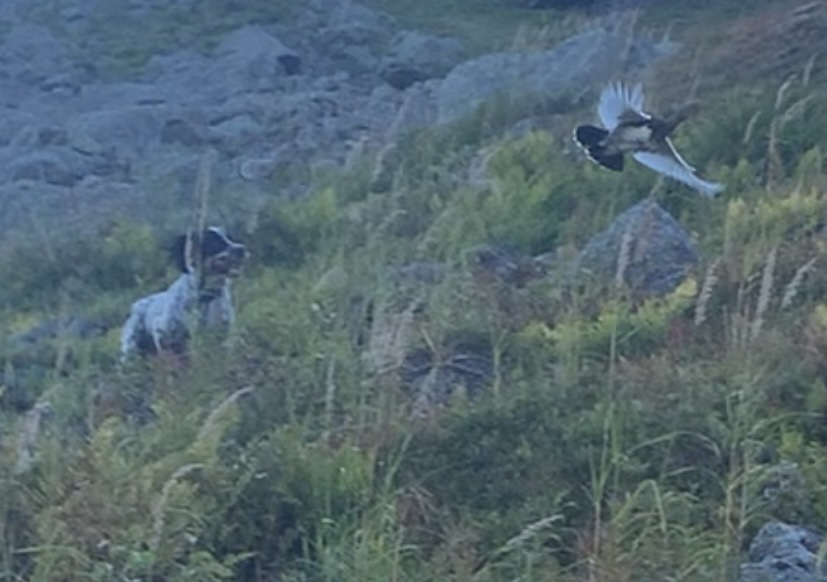
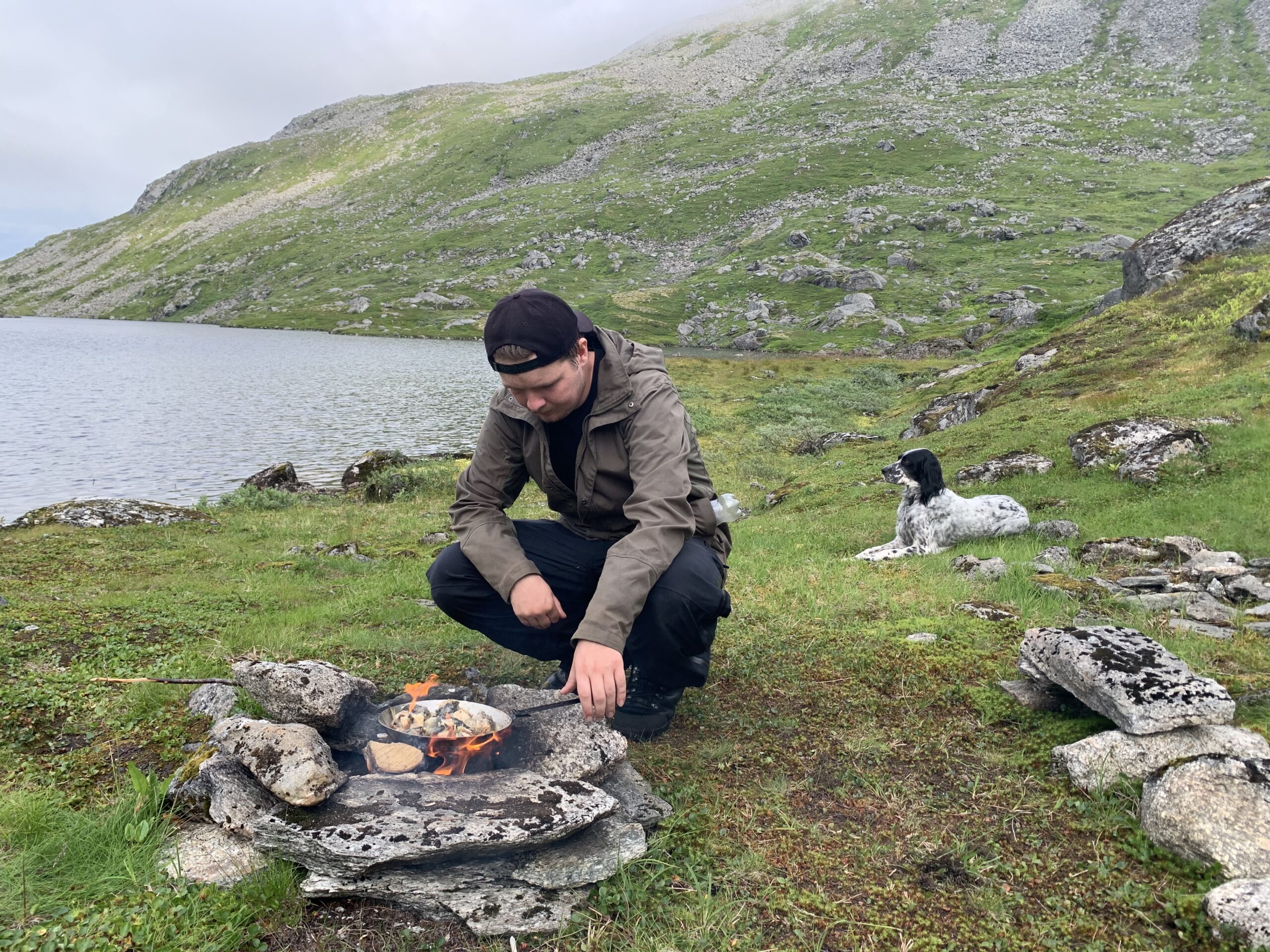
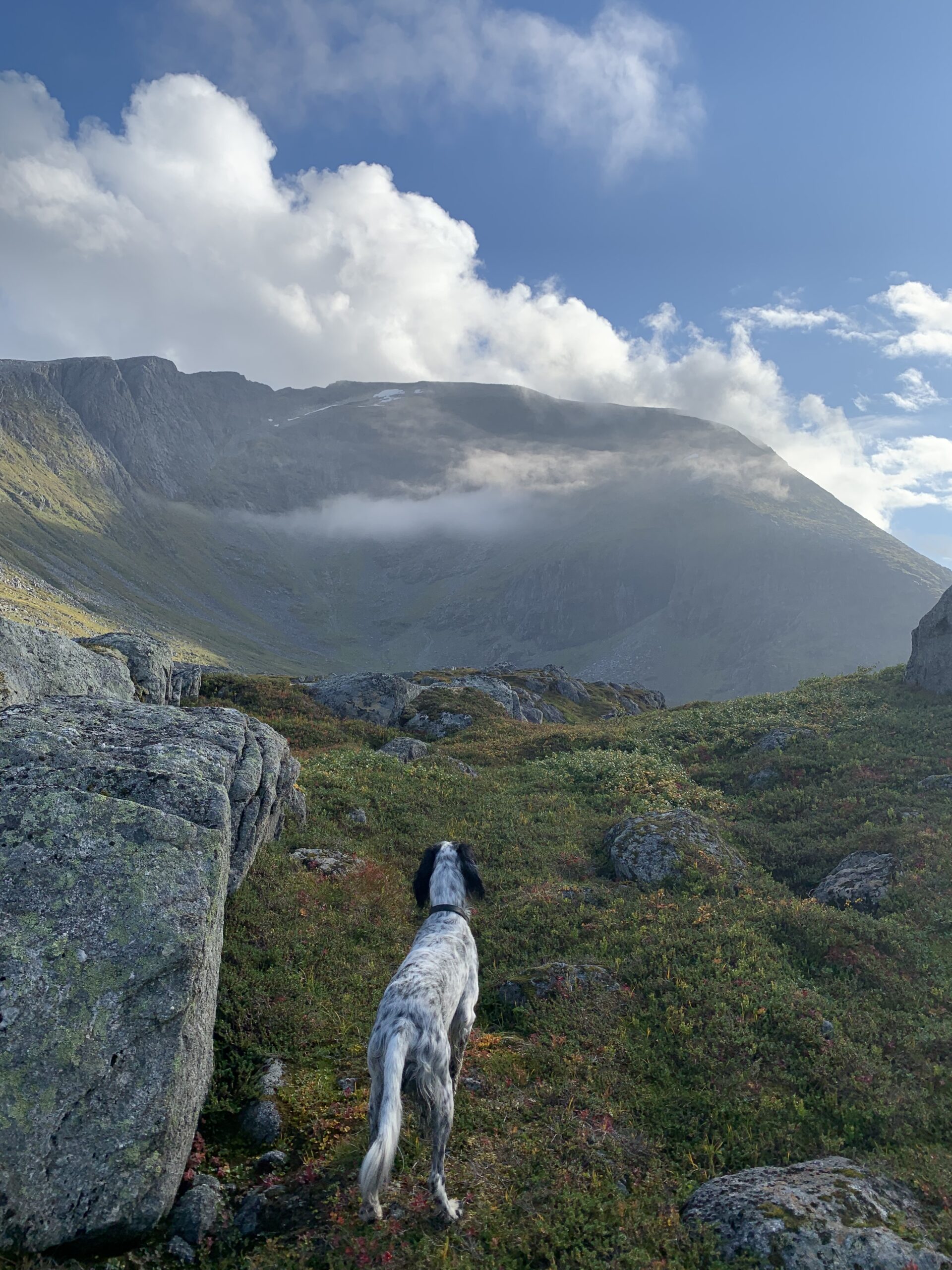
Pictures above see late summer turn into autumn and below into winter. As a birddog enthusiast in the north, the ptarmigan is our symbol of our beautiful (sub)Arctic surroundings. “Fjellets fugl”, it’s truly beautiful this bird of the mountains. Willow and rock ptarmigan. It lives in the harshest weather conditions a large part of the year and it always strikes me how soft feathered and gentle they are. During the entire year they’re a constant target for predators. In some brief weeks hunters also participate and harvest from the surplus. Some people don’t see any value in a hunter going out with his dog to play his part in this cycle of life. These same people won’t accept that humans in a small way are part of this cyclus. They will also argue that all non-human predators in nature should be left alone. To put it bluntly, that is cruel towards benign inhabitants like the ptarmigan. I have witnessed, during long days in the mountains, how the ptarmigan is never left in peace by the falcons, the hawks, the buzzards, the eagles, the ravens – only to mention the birds among the predators. I have watched birds of prey always scanning the mountain sides and the plains for birds, scaring them on their wings. This happens all day, every day of the entire year. As a hunter I am as humble and as kind as possible. I leave the mountains and go back to civilization and I think about some of those birds that would have had a much kinder death, had they followed me home. 
We have far too many birds of prey now, I have never seen numbers like this. It’s not only cruel towards their prey but it’s also cruel towards the predators in their fight to find enough food. Just in the nearby area here there have been eagles taking lambs, cats, small dogs. I even have a video shot nearby of an eagle sitting on top of something in the snow. When the person filming approached and the eagle lifted up came a fully grown roe deer, a lucky one this time as death would not have been quick or easy. My late friend Johan B. Steen, the renowned professor, also wrote about these things in his books on ptarmigan and how they end their days in the claws or jaws of their biggest predators. 
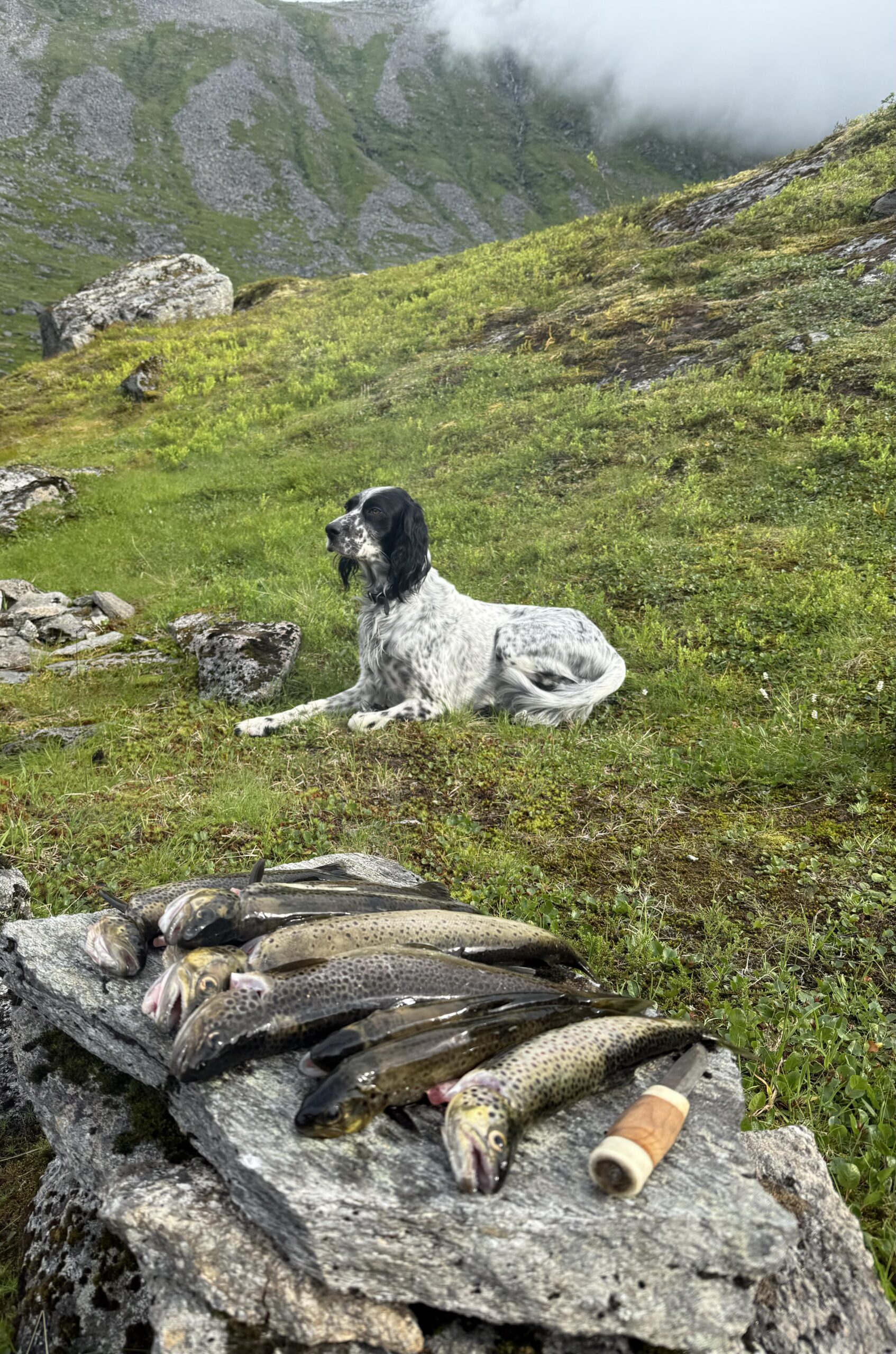
In the early 1990s I became the editor for the Danish Pointer Club, in the magazines “Jagthunden” and “Pointernyt”. I invited various interesting people to contribute articles to “Pointernyt”, including Johan B. Steen who wrote about the pointer as the birddog par excellence, who should be as precise in the bird work as the final chords in a Beethoven symphony. However, the very first one I asked for a contribution was Ola Schie, an ex chairman of Norwegian Pointer Club. He wrote the article he called “A New Dimension” in late 1992 and I published it in “Pointernyt 1/93”. It was about running the birddogs also during winter, following on cross country skies, with the challenges and also the nice experiences it brought with it. Schie started the article by quoting his maternal grandfather writing in his 1902 book “Om anskaffelse og dressur af fuglehunde”, about the incomparable experience of working the dog in the winter mountains when weather allows it. Here inside the Arctic Circle the days are very short now during the polar night. If the autumn weather isn’t great your hunting days could be very limited. But the hunter and nature enthusiasts here look forward to every autumn with new hopes, it’s part of the life quality here. I also spent a few days in the mountains after the first serious snowfall we had in late October/early November. Aidan had by then left Scandinavia and I was instead joined by my uncle Jack and his good mate Trond. They have been buddies since early childhood, fishing and hunting together all this time, now in their 70s. They go out for a few hours and feel how they belong in the mountains they know. Most of the time they sit in their cabin, taking turns on making food for each other, relax, listen to the radio and watch the mountain slopes outside the window, the rain, the fog, reindeer, birds, relive memories and make some more. 

Close encounter: Bentley and a willow ptarmigan.