After leaving the Ribadeo area in Galicia, I had the almost obligatory night out in Donastia-San Sebastian for a pintxo bar crawl. There’s always a great atmosphere, from the beach to the CBD to the old town with the many quality pintxo bars. Just meeting random strangers, all out to enjoy some good bites of food, walking from place to place. After San Sebastian I left Spain via the Pyrenees, the mountain range that borders Spain and France and over the centuries has been a natural defense line against any invading armies. Historically the Pyrenees also hampered Spain’s trade with Western Europe. One interesting book that I read last year was Prisoners of Geography, that I inherited from Finn when he visited. How geopolitics has shaped the world over the centuries is endlessly interesting.
At the northern edge of the Pyrenees I stayed at a homestay, in a historic old building that’s being restored by a German woman from Hanover. Recently her daughter, who worked as a chef in Berlin, had joined her. She dished up some very nice food that also included an excellent wild boar pâté made by the local hunters. On our nearby walks Bentley had pheasants catching his attention. I think the only time he’d been in contact with pheasants since he left New Zealand was in southern France last year, very close to the areas near Bordeaux where they right now are fighting the terrible wildfires.
From the Pyrenees-Atlantiques and Nouvelle-Aquitaine regions we made our way up to Normandie in the northwest of France, a region I’ve seen quite a bit of in the past. There I also revisited Les Andelys with the ruins of King Richard Lionheart’s castle, Château Gaillard. After Normandie I had a deep dive into one my favourite subjects, Belgian beers, accompanied by some steak frites. At Vichte in Belgium I did some shopping at one of Europe’s largest speciality beer shops, with more than 1200 different beers. Among those I chose were the local Flanders red ale Duchesse de Bourgogne, Bruges’ excellent tripel Straffe Hendrik and Belgium’s favourite pils Jupiler. I used to buy jugs of Jupiler at The Occidental Belgian Beer Cafe in Auckland, NZ and I don’t understand why Jupiler isn’t all over Europe. 40% of all beers consumed in Belgium is Jupiler and that alone should say a lot. They’re also the main sponsor of the Belgian Pro footbal league (the Jupiler League).
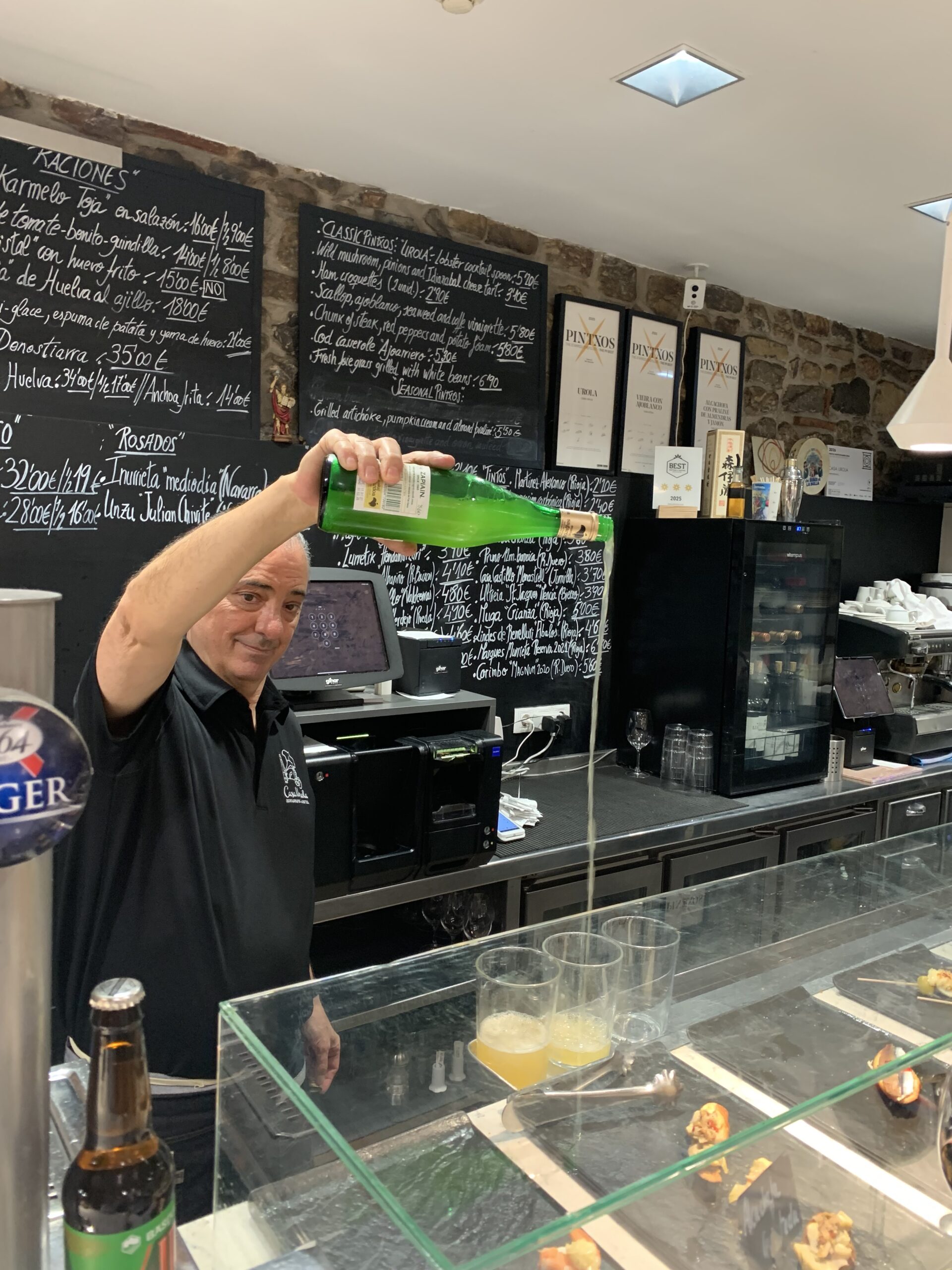
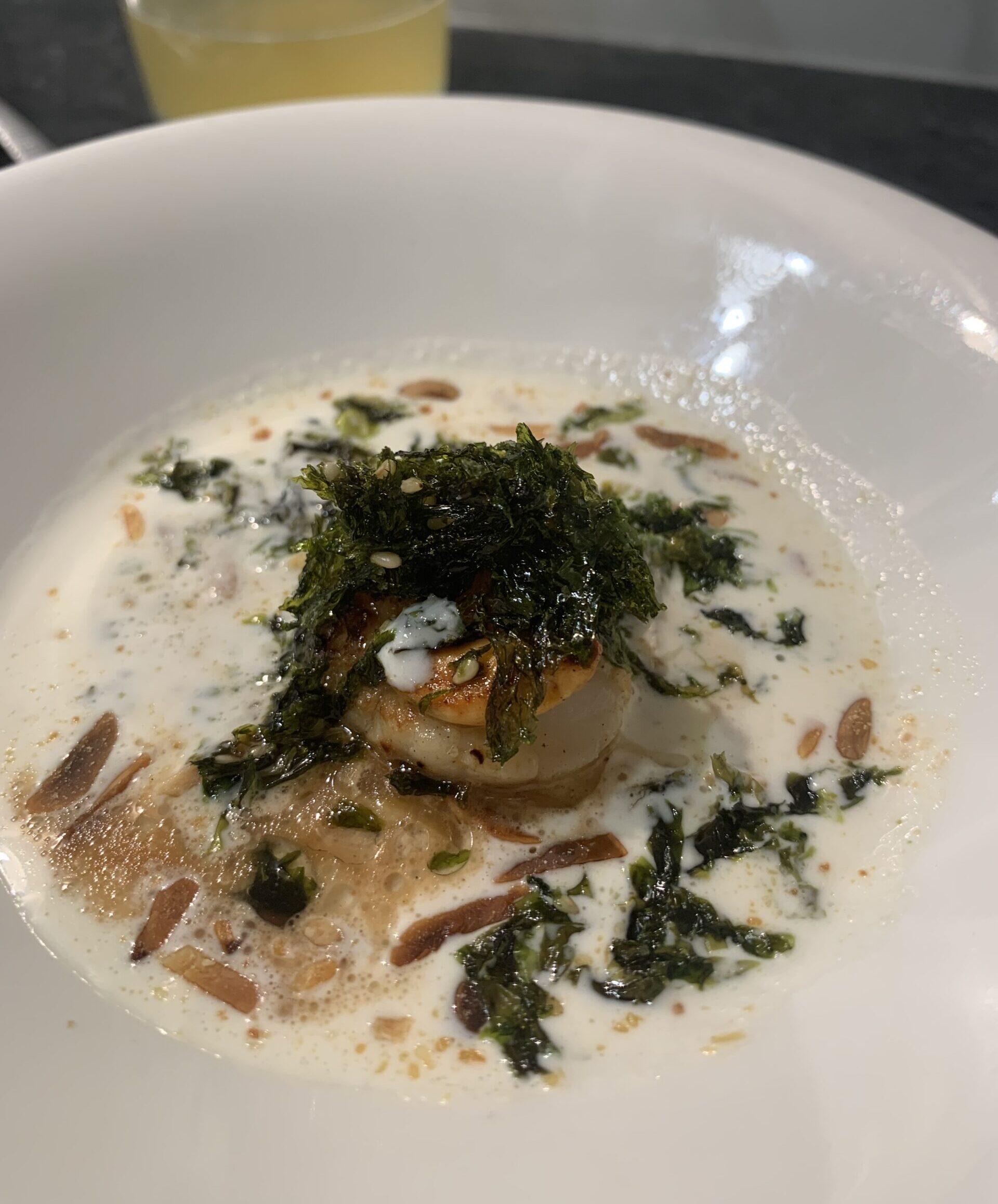
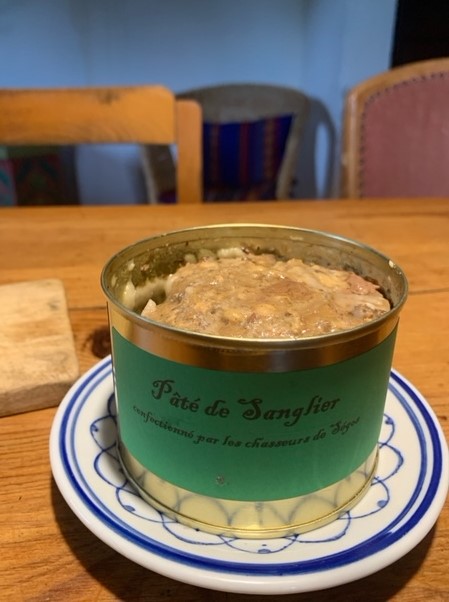
Pictured above: The sargadoa style cider poured in the traditional way in Donostia-San Sebastian and one of many tasty pintxos (this was a scallop in a cold, creamy garlic-almond soup), and the excellent wild boar pâté made by Pyrenees hunters.
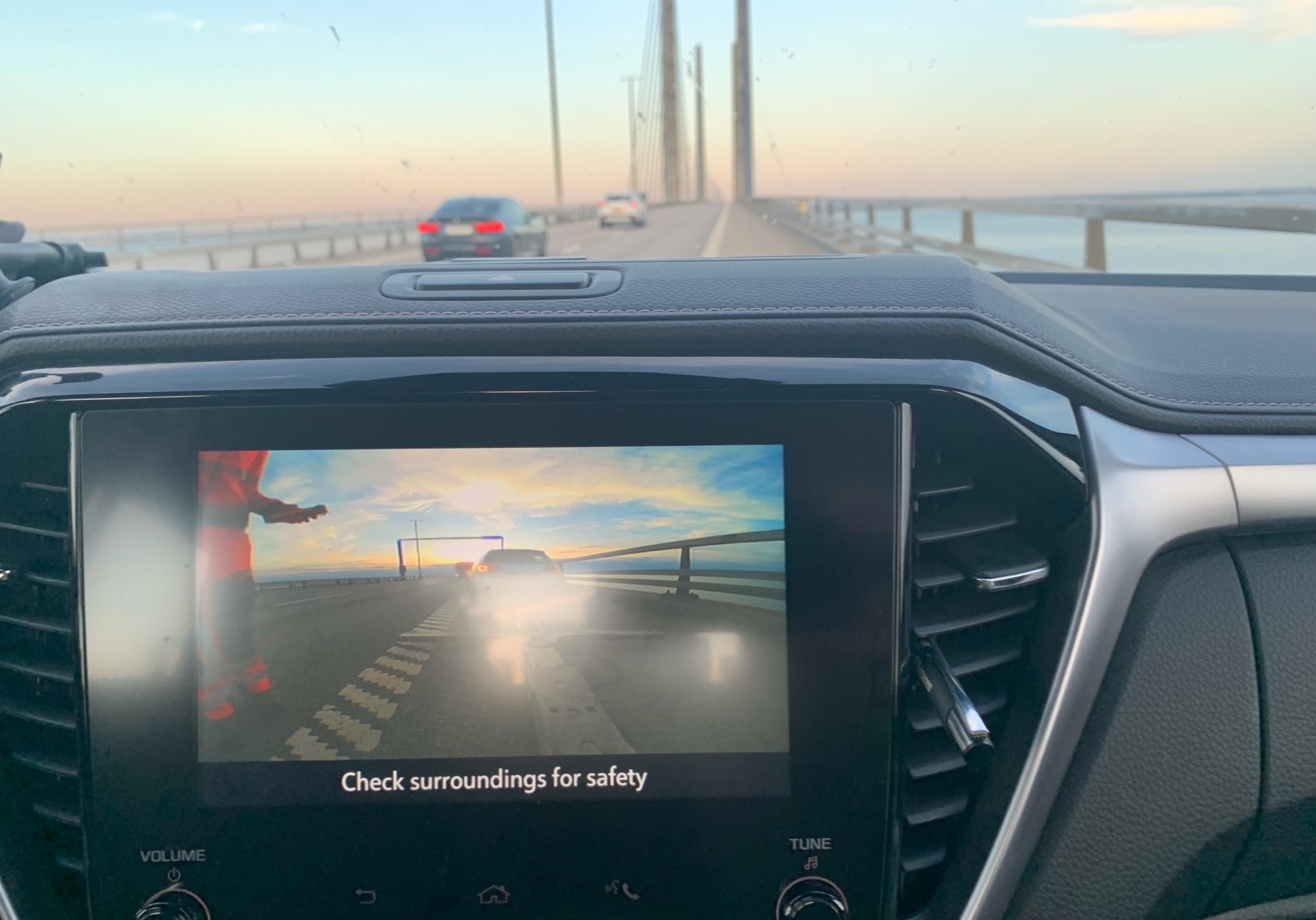
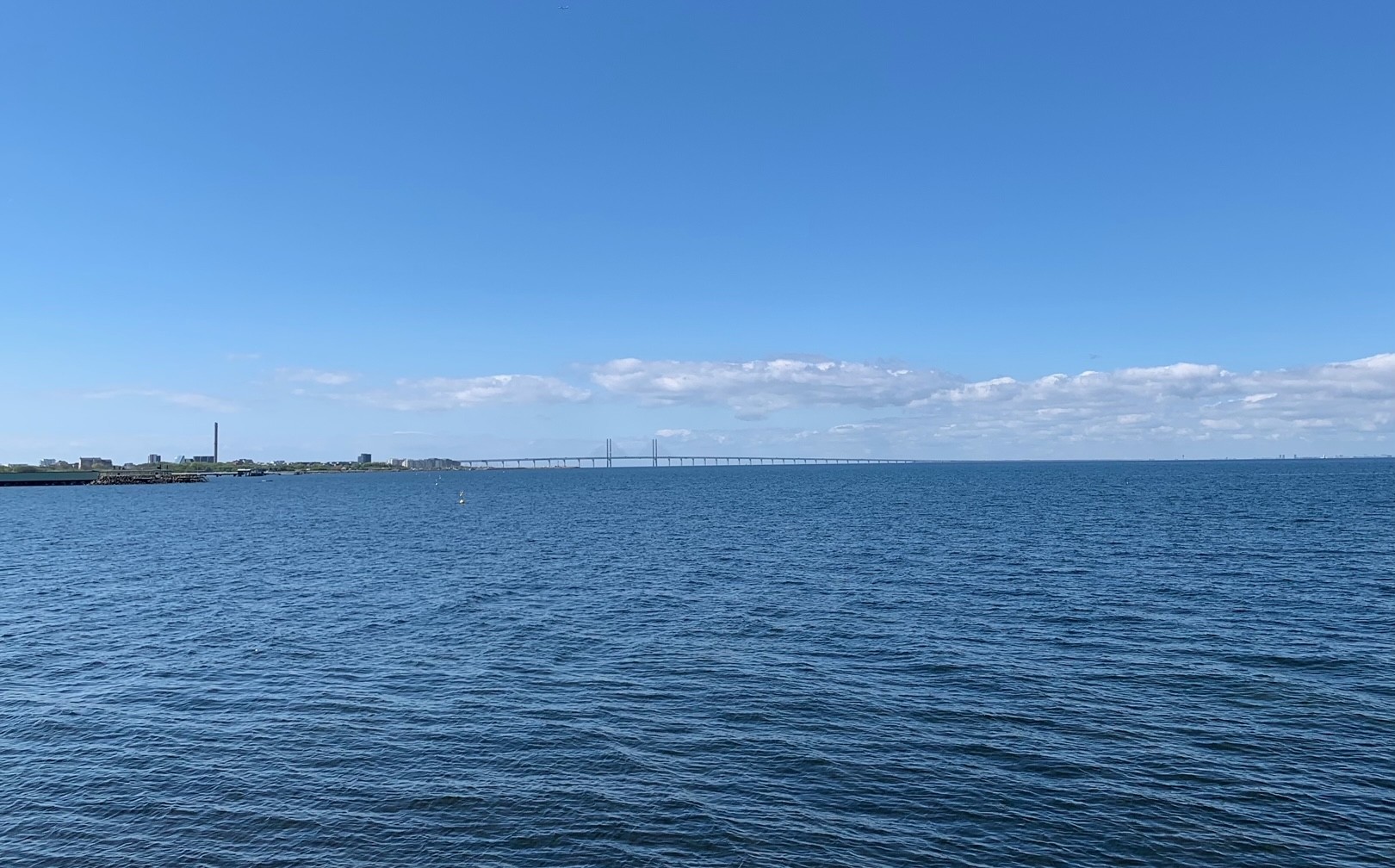
And to explain what’s happening in the top picture: That is a photo I took inside the road rescuing truck on top of the Öresund bridge. After leaving Belgium I drove through the Netherlands and spent a couple of nights in northern Germany. From there I drove eastwards through Denmark (like last year), through the underwater tunnel and up onto the Öresund bridge that connects Denmark & Sweden. I just passed the sign on the bridge saying Sweden, my mind drifting around an incident free trip in Europe and then about the brilliant tv-series The Bridge, where a body is found exactly on the border on the bridge. It was windy on the bridge but that didn’t explain why the car suddenly started shaking. A look in the side mirror showed smoke coming from the back left tire. The tire had blown and fully exposed the rim, so I quickly managed to pull the car up in a tight lane against the railing. I called the insurance company and then had to wait three hours before road rescue arrived from Malmö. That wait wasn’t particularly pleasant on a windy bridge, with cars, buses and trucks going past at 120 km/h, as the sun was slowly setting behind me. The rescue driver was a nice Dutch guy who had lived in Malmö for 8 years. He told me that the asphalt in Denmark is of a very rough quality and that they have far more flat tires on Danish roads, when the weather was hot and one drives for hours on those roads. He insisted that he always drove far below the 130 km/h limit whenever he went home to the Netherlands. As bad as it was sitting on the bridge, I was very happy it hadn’t happened inside the tunnel. I brought Bentley out on the bridge and he stood wagging his tail, watching the ships below and the seagulls hanging on the wind. The Dutchman was surprised that the dog wasn’t nervous at all.
So, I arrived in a hotel in Malmö on an early Saturday evening. This much maligned city with one of the worst reputations in Europe, due to the many incidents with gang crime and violence. It is Sweden’s third largest city and I’ve been wanting to visit, as I’ve always only travelled past. The friendly Dutchman took me to my hotel in the Western Harbour area, which is very central. The old town is within walking distance. The weather was nice and the city was actually buzzing with people, out and about at bars and restaurants. Because it was the beginning of the weekend, I ended up having to spend three days in the city until the car was fixed. I stayed in a perfect area of the city with lots of parks and dog walking areas by the sea, with a good view towards THE Bridge and close to the best known architectural building, the Turning Torso skyscraper. I was impressed by various facilities in the central city area, including wake boarding, tennis and other sport courts. I was also very positively surprised by how friendly and service minded every person I encountered were. I took the opportunity of getting some great Indian style food from a restaurant run by Bangladeshi Muslims. I was left with a very positive impression of the city, and I’d like to go back one day to explore it a bit more.
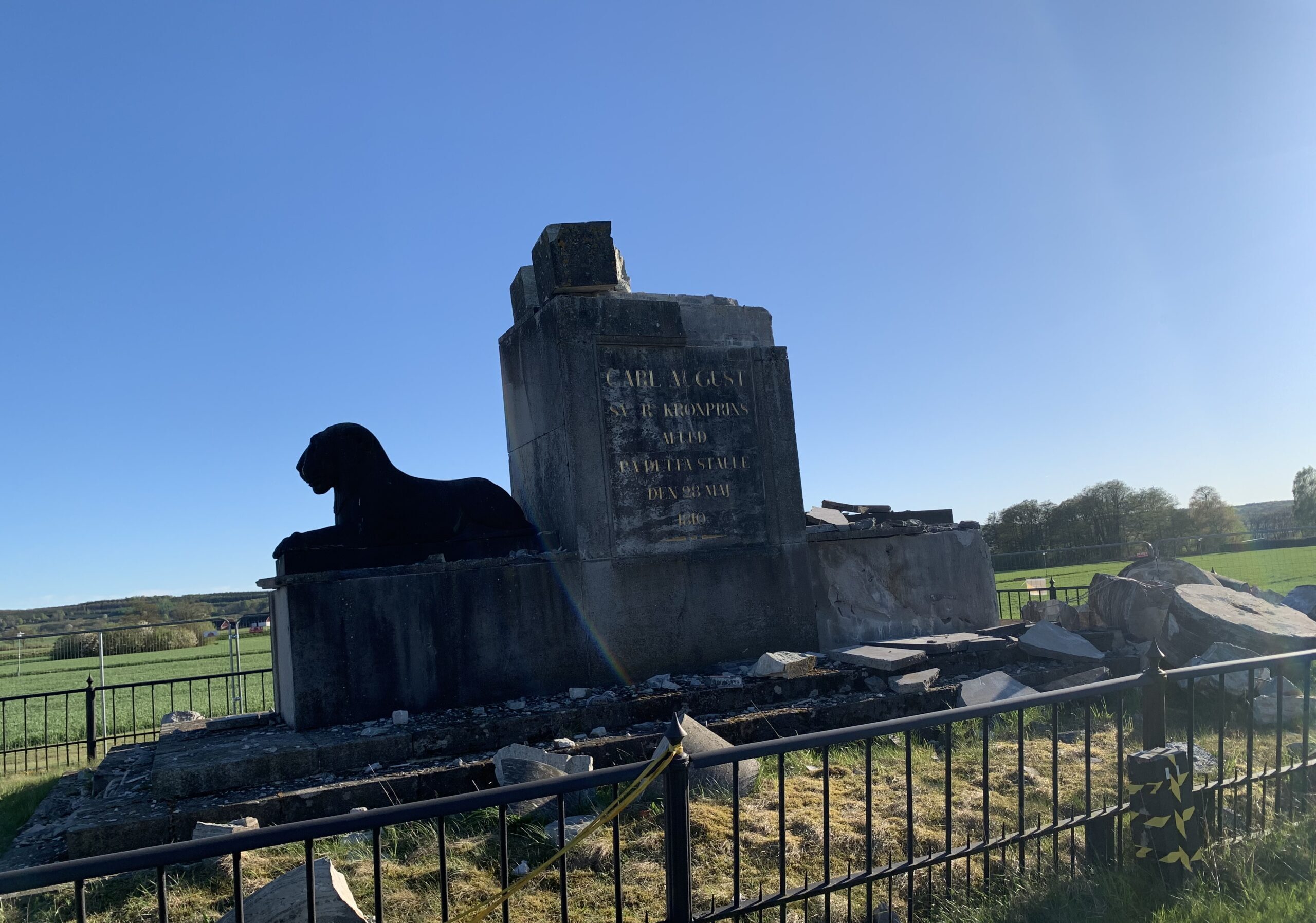
While I have had several work trips and travels around southern Sweden over the years, it’s the middle and northern parts I’ve known best. Southern Sweden is where I’d like to focus some more on in the times ahead. The history around the southern parts was of incredible importance for all of Scandinavia. Continuing from Malmö and further inside the Skåne (Scania) county, I came straight past the monument at Kvidinge. It’s the site where the Danish born, Swedish Crown Prince Carl August in 1810 was inspecting a cavalry regiment, had a stroke, fell off his horse and died. His successor, the French born, later King of Sweden & Norway Karl Johan had a monument raised on the spot in 1826. (Karl Johan was born in Pau just north of the Pyrenees, where I just came from.) The monument was a monolith made in a Swedish type of marble and flanked by two iron lions. It’s 200 years ago this year but at midsummer last year it was hit by lightning and most of the rocks and one of the lions was completely obliterated.
In the northern part of Skåne, I was quite surprised to find that it was forested and not as flat as the agricultural fields most associate with this county. After a couple of days, I was eager to get myself settled somewhere quiet on the coast with my own kitchen, so I headed southeast into the neighbouring county of Blekinge and the Karlskrona municipality. More specifically, I had got a cabin on the small island of Hasslö. In the past the island had heavy military restrictions, due to a lot of navy activity in the area. (Not foreign to me as I grew up in a navy village in northern Norway.) After my recent freediving in Spain, I was also keen on getting into the water in Sweden. However, it turned out to be more of a swim than a dive. The marine life I encountered was limited and neither did I see any Russian submarines. That reference will likely not mean much to non-Scandinavians today but there was an incident in 1981. Karlskrona is home to the largest naval base in Sweden and suddenly one morning a Russian submarine had ran aground and sat there on full display. Diving is not really something Sweden is known for and as I mentioned in my previous post on this site, spearfishing is prohibited here. The recreational diving in the country is supposedly better on the western coast. I’ll hopefully find out in the not too distant future.
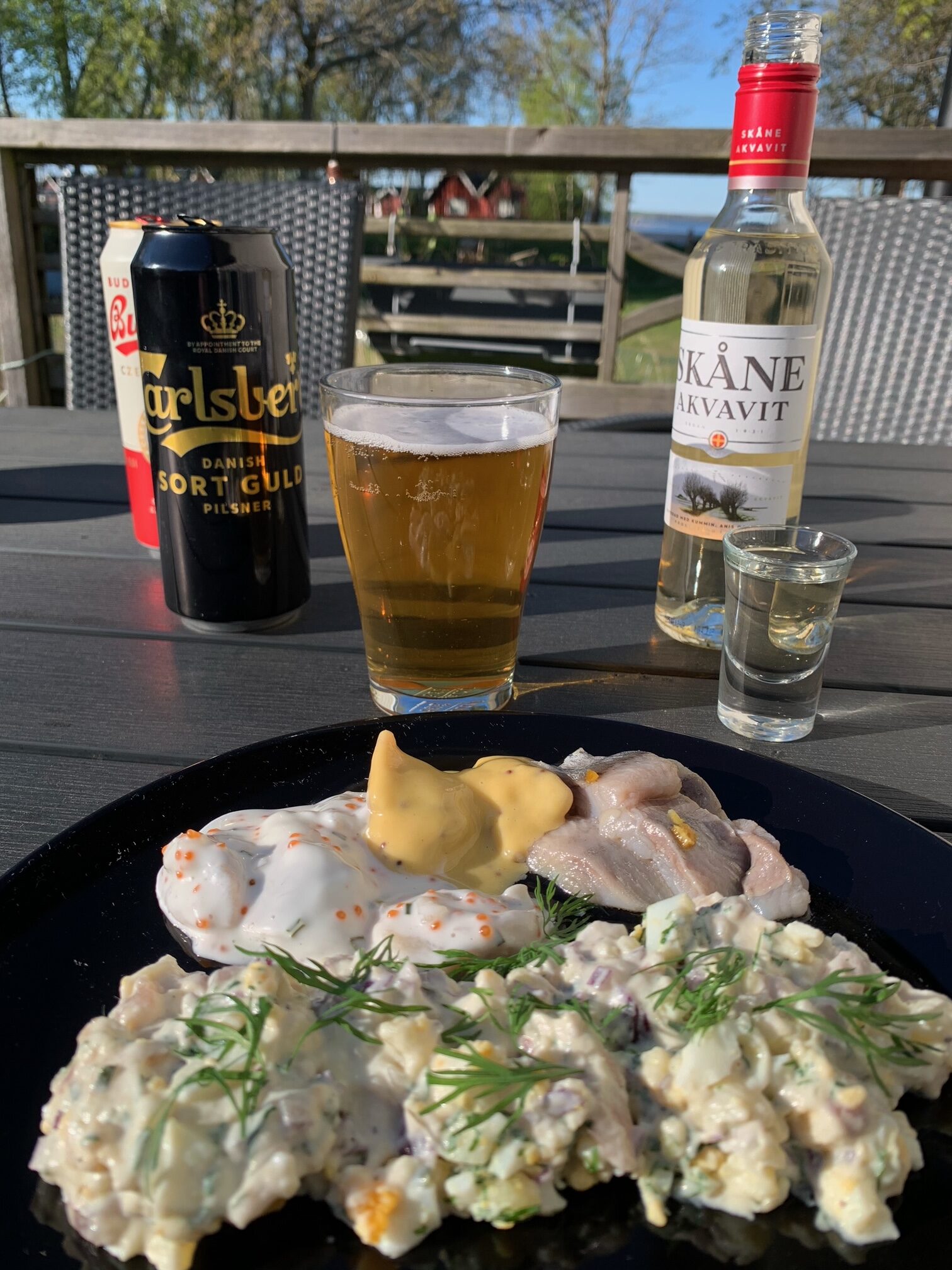
The cabin was located a stone’s throw from the ocean and during my few days at Hasslö, quite a bit of it was spent in the kitchen and on the sun deck outside. One of the splendid Swedish dishes I made was gubbröra, with chopped up boiled potatoes, red onion, chopped boiled eggs, dill, chives in crème fraîche and the magic ingredient: chopped anchovies, the type that is made from spice-cured brisling (European sprat), NOT the Mediterranean anchovy in oil. Gubbröra is the flavour of Sweden!
In addition I had got myself some of my favourite types of Swedish pickled herrings. Skärgårdssill with a light sour cream, finely cut chives and red seaweed caviar (seaweed made into little round balls, sometimes used instead of fish roe and more decorative than tasty). Senapssill in a fine mustard sauce. Brännvinssill in a mix of schnapps, vinegar, orange peel and cinnamon. I served it with fresh pumpernickel rye bread and of course accompanied by beer and a very good Skåne Akvavit (spiced with caraway, anise & fennel).
I couldn’t help but thinking of the classic tune of Öppna Landskap by Ulf Lundell, about thriving best in open landscapes by the sea, where he makes his own liquor spiced with St John’s wort. The name of the herbal plant comes from when the yellow flowers are put in spirits, it turns red, symboling the blood of John the Baptist.
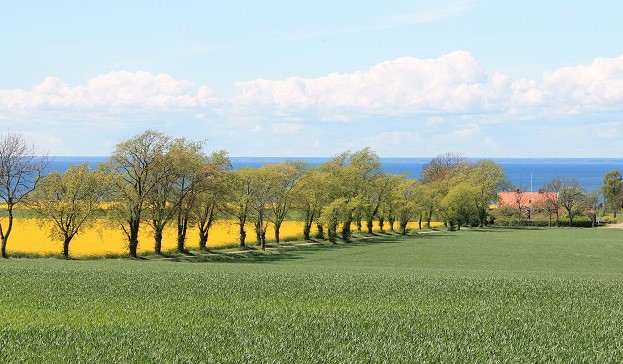
From Hasslö and Karlskrona further up the coast to Kalmar and across to Öland, the second largest island in Sweden. There’s been settlements here since at least early Stone Ages. There are several documented Viking settlements and since the Middle Ages large parts of the island functioned as a royal game park and hunting grounds. The southern part of Öland’s agricultural landscape has been designated a World Heritage Site by UNESCO. This unique cultural heritage shows how the land has been cultivated by humans and animals in symbiosis for thousands of years.
There are regular bird dog trials at Öland. There are good numbers of pheasants, partridges, ducks, geese and roe deer but also many other species are doing well. Local farmers and hunters have managed and cultivated areas over a long time, where wild game has thrived. I also stayed briefly at Station Linné, a world-leading research centre on flowers, insects and the alvar environment. The centre is of course named after the famous Swedish biologist Carl Linnaeus (aka Carl von Linné 1707 – 1778). He grew up in the Småland district, west of the island, and where I was heading next.
When you get out to the countryside of Småland one can’t help getting associations towards Astrid Lindgren’s world, especially around her hometown of Vimmerby. The house on the Katthult farm that was the home in the Emil in Lönneberga movies is one of the most photographed buildings in Sweden. In many ways the area is among the most Swedish of Sweden. After a few weeks in the far south of Sweden, I’ve only just scratched the surface of it and will be back to immerse myself further.
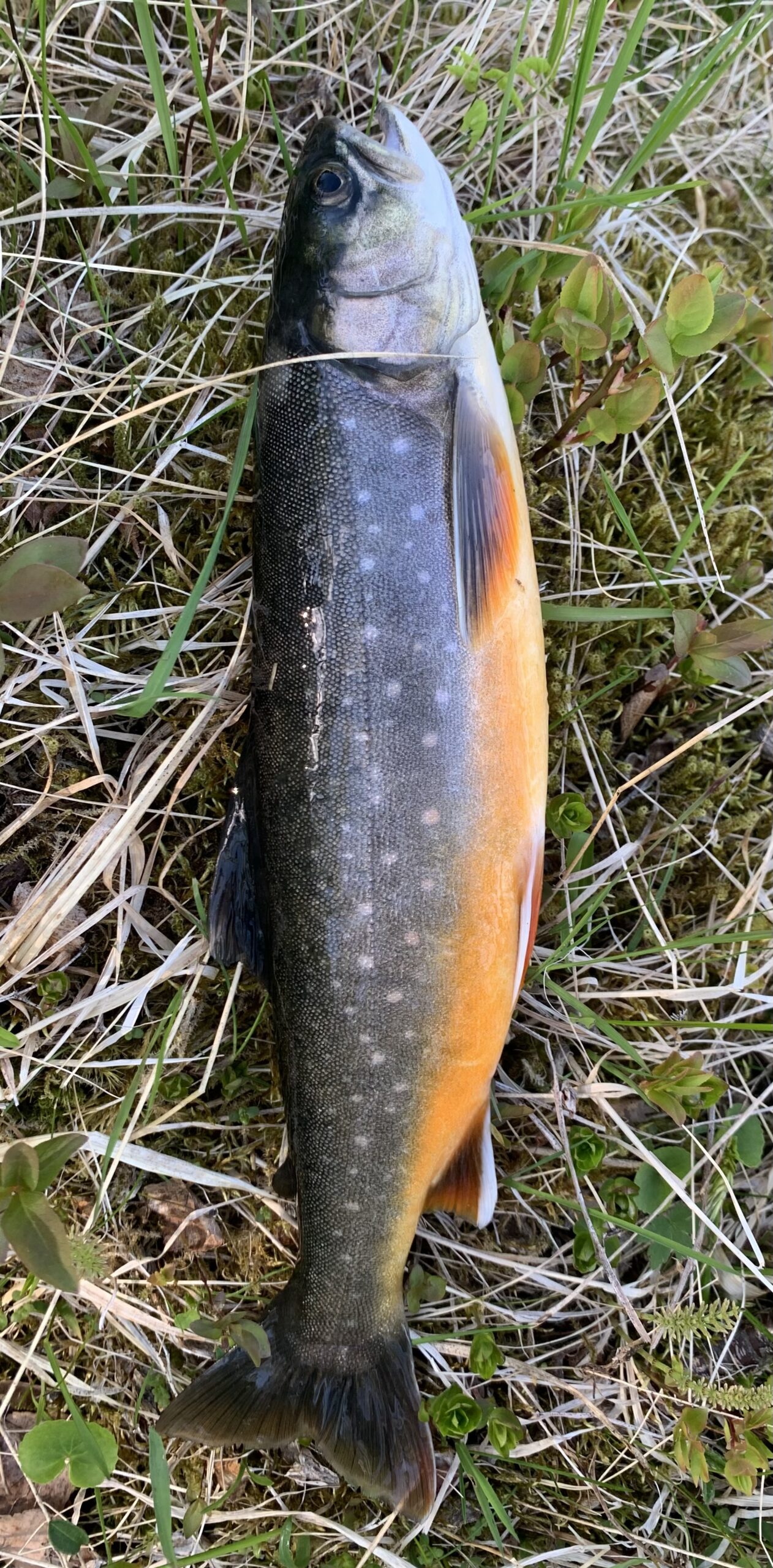
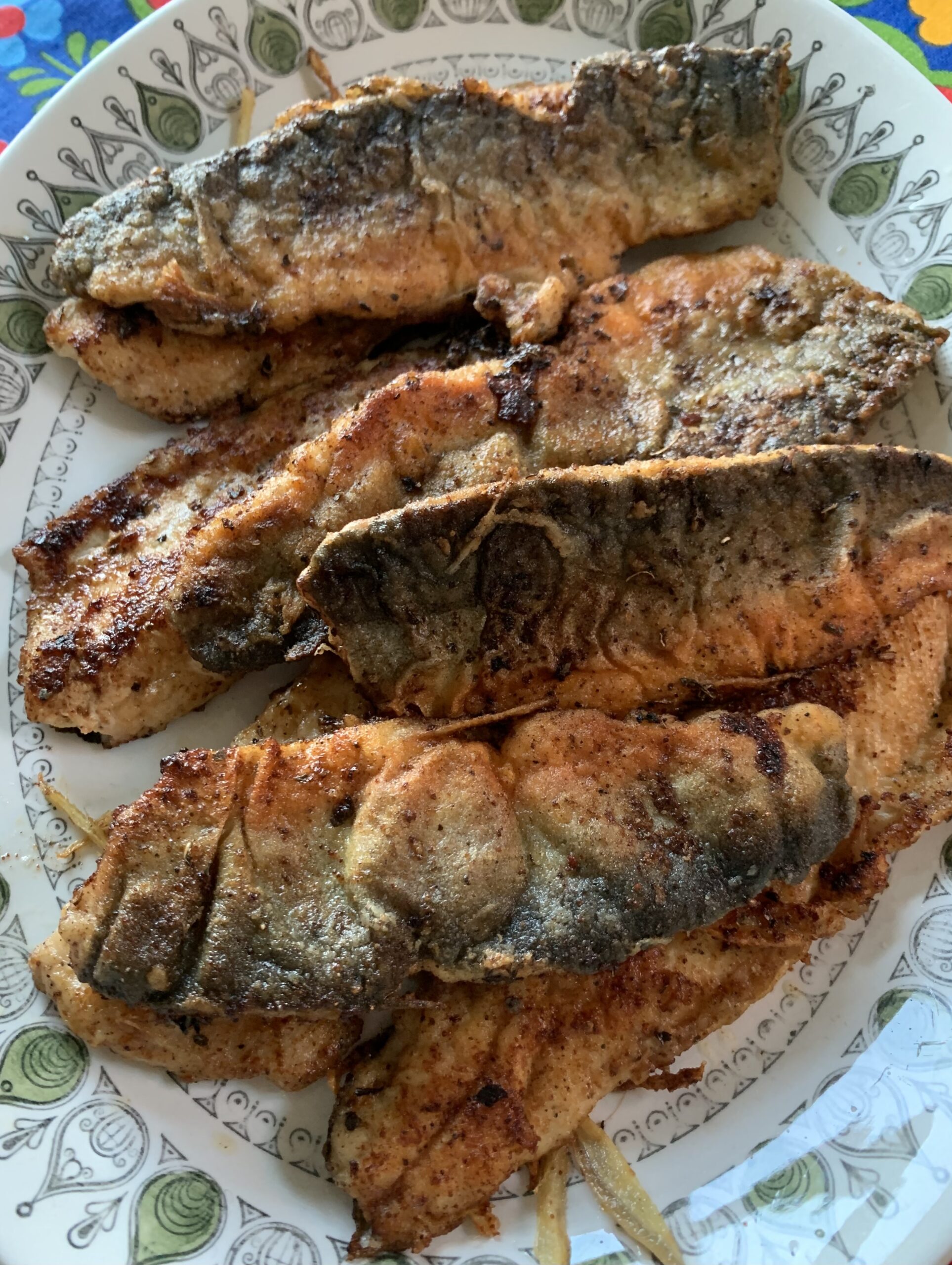
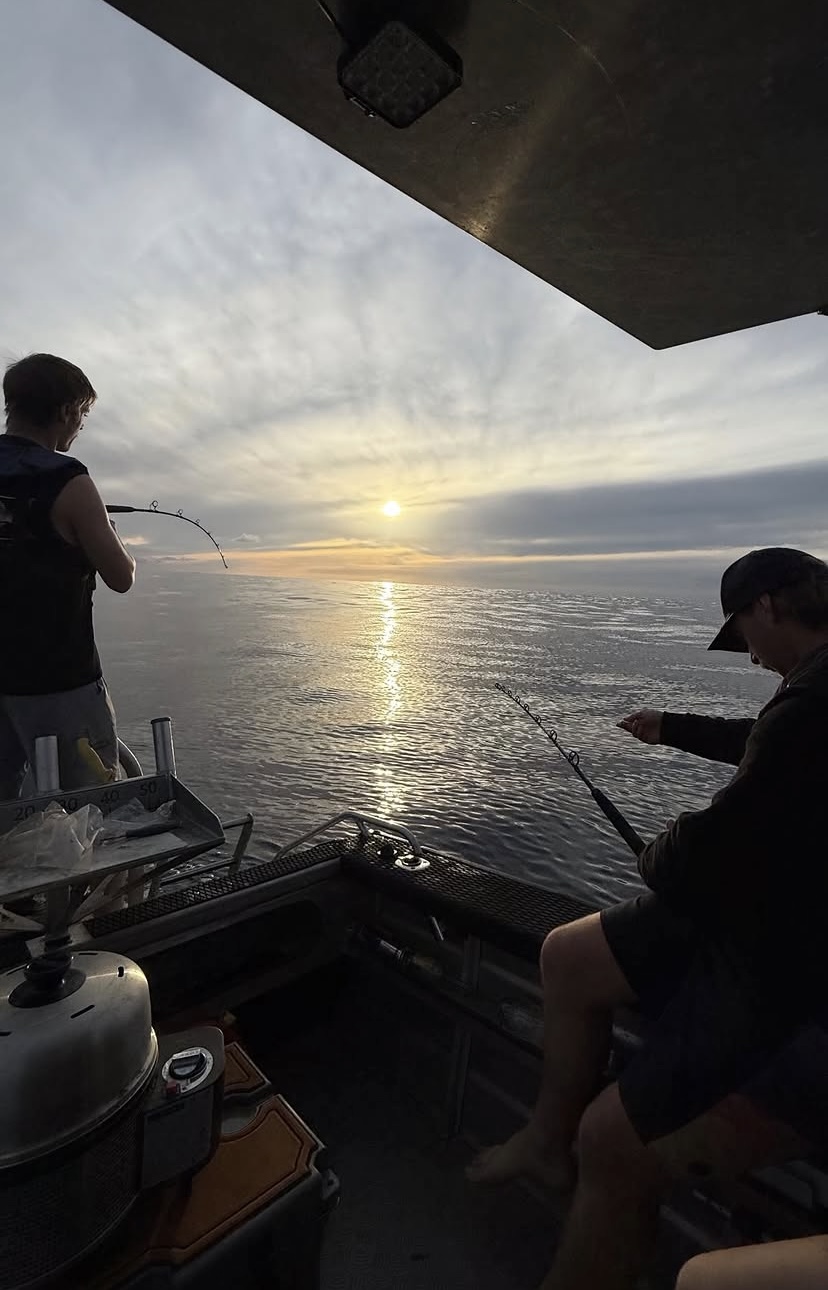
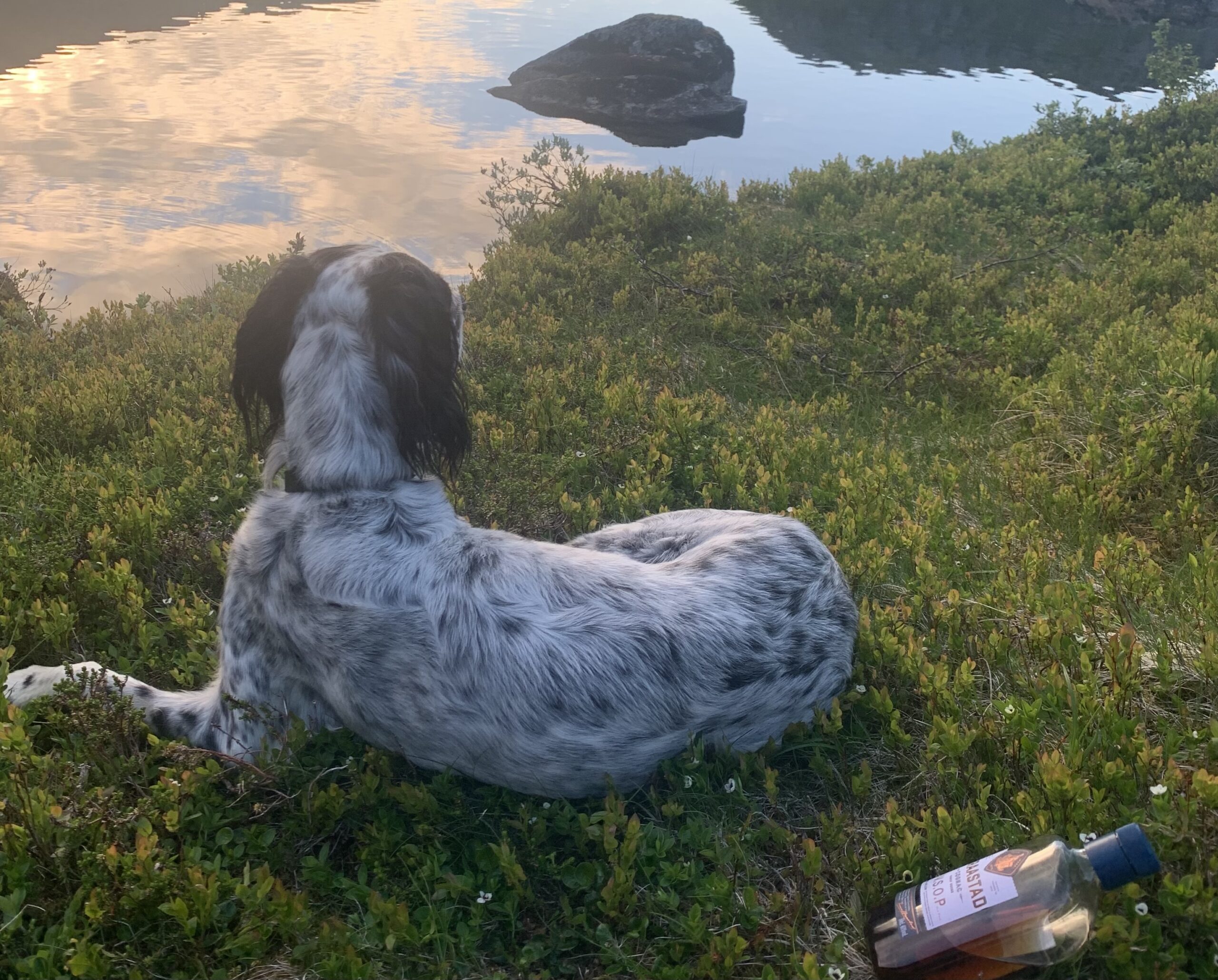
I realise it’s not been much about hunting or fishing in this post but I promise that the next one will have plenty of that! Pictured above from the first fishing this year, getting a good feed of Arctic char (which means I had headed further north). And also a picture Aidan took of two mates, as he had gone back to New Zealand from Australia to do some fishing & hunting with various people. The picture is from Cape Brett in the Bay of Islands.
Yes, the time had come to head further north, towards the Sweden I’ve known best over the past four decades. This time not the eastern or more central parts though but the mid-western side that is bordering the Norwegian mountains. A quarter of Sweden’s border with Norway is in the Jämtland county. The area even has a very Norwegian feel to it and in fact, both Jämtland and the neighbouring Härjedalen district were for centuries under Norwegian rule. Their trade had historically turned westwards to Trøndelag in Norway. From the 1100s until the peace negotiations in 1645 they were under Norway, and still for another 200 years the people in Jämtland lived and traded as if they were still Norwegian.
At the small village Åsarna I stayed at the Ski Centre. Åsarna has been nicknamed the “Gold Village” as members of the local cross country skiing club have won more than 60 medals in the Olympics and World Championships. Legendary skiiers like Thomas Wassberg and Torgny Mogren among them. Three years ago the Ski Centre was destroyed by a fire but it’s been rebuilt as an impressive local business. Here’s a conference centre, a sports outlet shop, rooms & cabins for hire and a good restaurant with a great value daily buffet. This place definitely exceeded my expectations and I’d like to come back again. Here are numerous outdoor activities both winter & summer on the doorstep, also plenty of freshwater fishing. So I was happy to get myself a feed of Arctic char for the first time in a while. A one hour drive to the north is Jämtland’s only city, Östersund. It’s an attractive little city and was good for doing some errands and a bit of shopping. I hadn’t been here since the early 1990s. What I’m hoping to do one day is walk the approximate route taken by the Swedish Carolean army, on what’s called their death march in 1719. After the Swedish King Karl XII had been shot dead in Halden in southern Norway, the army that had attempted attacking Trondheim further north was escaping over the Tydal mountains back to Jämtland. They were caught up in a terrible snow blizzard. More than 3000 soldiers died and many more were crippled for life.
In these northern parts the summer weather hasn’t been great this year. Nothing like the warmth in the past two or three years. This has been a bit more back to normal and watching the extreme heat waves in southern Europe, I’m quite happy with my habit of travelling around there in spring. The wild fires in the coastal areas south-west of Bordeaux is where I spent a few days last year, on my way back from Spain. Some of the fires in Spain is very close to parts of my route this year. So, despite the wet and cooler days further north it has all felt very homely and relaxed.
I came across an Icelandic verse that gives a good description of how the northern summers can be, where the sun may be shining but the air is far from warm. It’s from Steinn Steinarr’s poem Tíminn og vatnið (“Time and Water”).
The sun was beside me,
Like a thin girl in yellow shoes.